


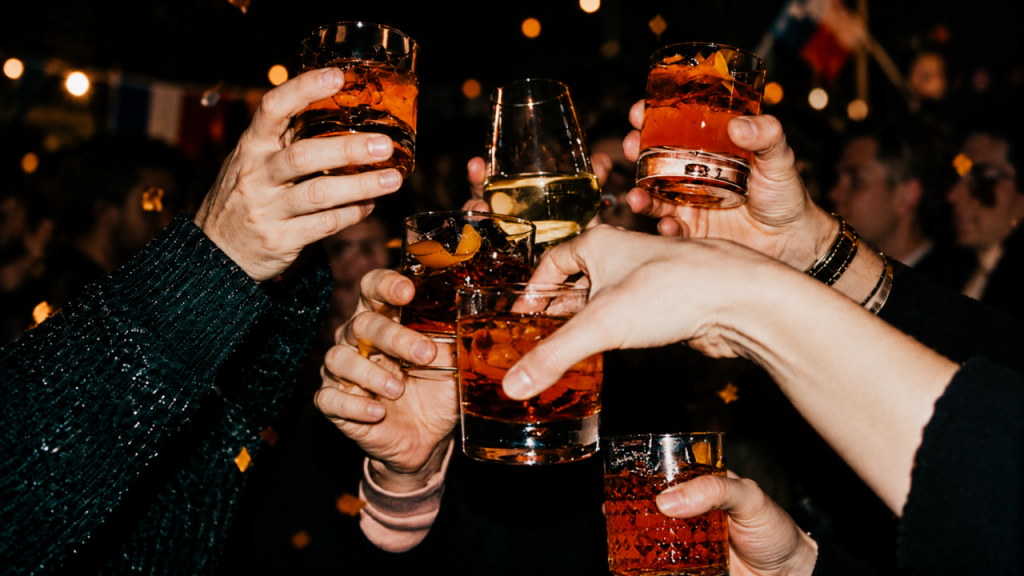
Some matches should not be celebrated with just any drink.
A well-designed World Cup cocktail menu helps bars, hotels, restaurants and venues turn big match energy into a more memorable guest experience.
There are moments that stay in a guest’s memory because of everything around them: the table they were sitting at, the people they were with, the atmosphere of the venue, the first sip after a goal, or the cocktail that arrived exactly when the celebration started to feel real.
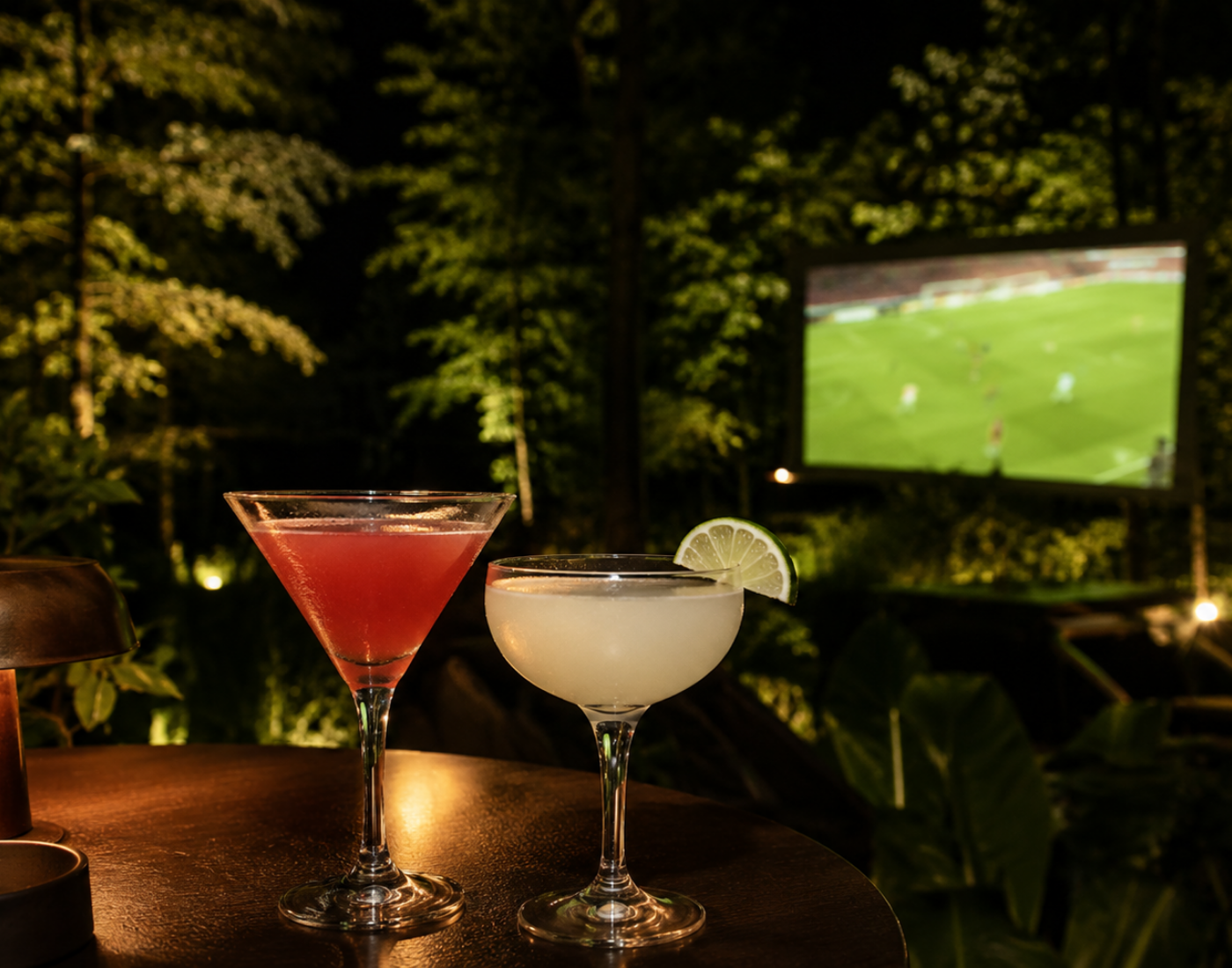
In hospitality, those moments matter.
A major match does not simply fill a venue. It changes its rhythm. It raises the energy in the room, increases the pace of service and turns a drink into part of an experience guests may remember, repeat and share.
That is where World Cup cocktails become more than a seasonal menu idea.
A cocktail menu responds to demand. A great World Cup cocktail menu adapts to the moment of consumption. It is not only about offering options. It is about offering the right serves when emotion rises, the venue fills up and guests want a drink that feels equal to the occasion.
During a season where everyone is talking about football, big matches and shared celebrations, cocktails can become a strategic opportunity for hospitality venues that want to serve more than speed.
They want to serve the moment.
Why Big Match Moments Need the Right Cocktail Menu
A big match changes how guests behave inside a venue.
They arrive earlier. They order in groups. They react together. They may place another round after a goal, during the break or immediately after the final whistle. The rhythm is less predictable than standard service, and the cocktail menu has to work inside that rhythm.
That is why a World Cup cocktail menu should not only be attractive. It should be easy to understand, efficient to serve and strong enough to feel connected to the occasion.
The right menu helps the venue move from general drink service to a more intentional match day experience.
Fast to recognise
Guests should understand the offer quickly.
Easy to execute
The menu must work when demand rises.
Built for groups
Rounds should move naturally across tables.
Shareable by design
The serve becomes part of the moment.
What Makes a Cocktail Work in a Big Match Moment?
For a cocktail to work during a major match, it has to meet several conditions. A World Cup cocktail menu needs to be clear, visual and realistic for high-demand service.
First, it must be easy for the guest to understand. In a lively room with screens on, conversations moving and attention shifting quickly, an overcomplicated drink can lose commercial strength. Guests need to recognise the offer quickly and feel that it belongs to the occasion.
It also needs visual appeal. A celebration cocktail is not only consumed. It is raised, shared at the table, photographed and, in many cases, posted. What a guest holds in their hand can become part of the memory of the event and part of how that experience appears to their social circle.
That matters because the venue is not only meeting expectations inside the space. It is also creating a moment that can travel beyond it.
And, of course, the cocktail must be fast to execute.
In a big match moment, demand does not arrive in a perfect sequence. Orders can spike before kick off, during the break, after a goal or at the final whistle. If the bar cannot respond with speed and precision, the cocktail stops elevating the experience and starts creating friction.
With Mixologiq, cocktails can be served in under 30 seconds while maintaining precision and consistency across each preparation. Both Mixo 8 and Mixo 20 are specified with under 30-second service time, helping venues maintain service rhythm when demand arrives in waves.
With that in mind, here are five cocktails built for celebration moments.
5 World Cup Cocktails Built for Celebration Moments
A strong World Cup cocktail menu should give guests clear choices without making the menu feel flat. It needs freshness, energy, distinction, momentum and a more classic option for guests who want to celebrate with intention.
These five serves create that balance.
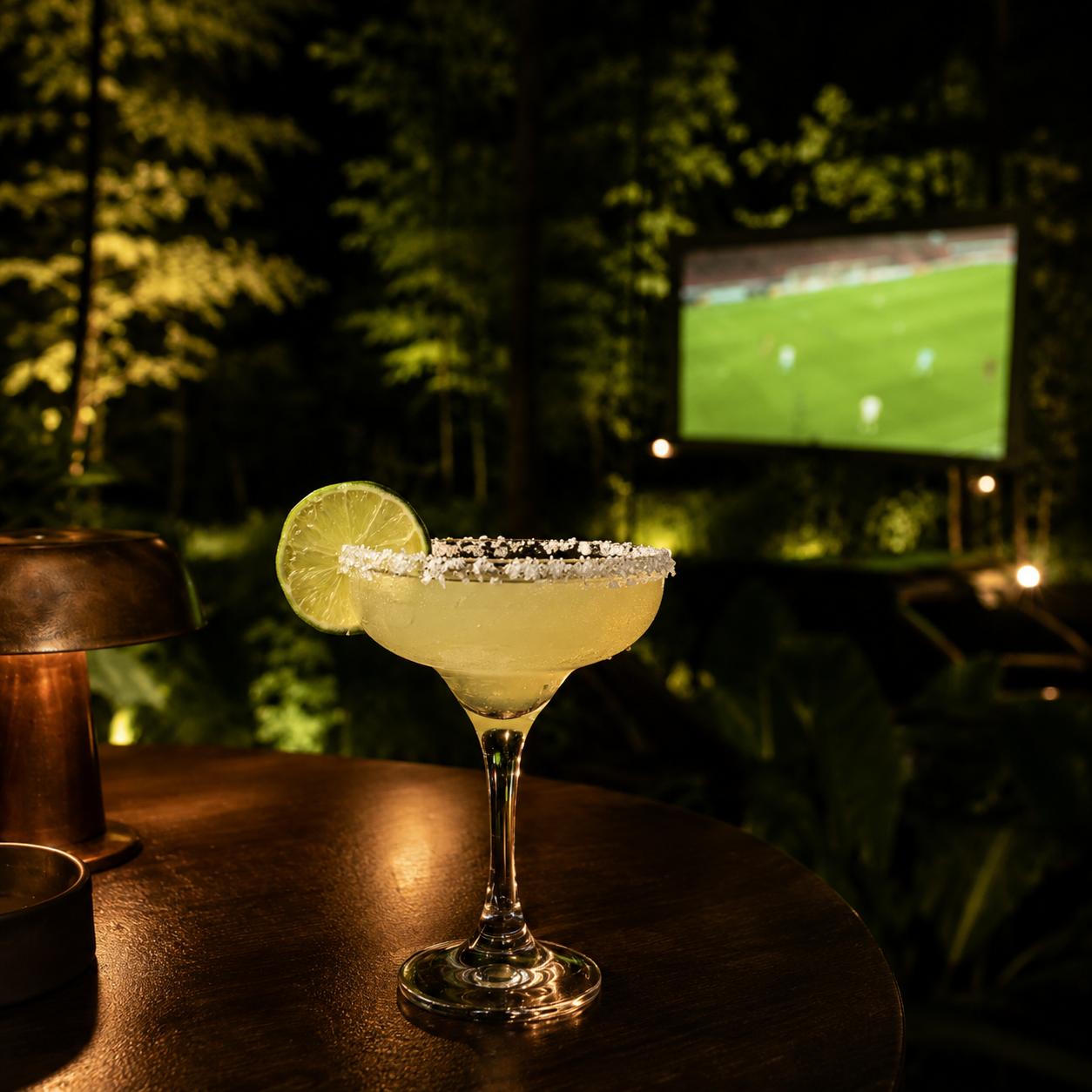
Margarita: The Serve for Shared Energy
The Margarita has one clear advantage: guests understand it immediately.
It is fresh, direct, recognisable and expressive. It does not need too much explanation, which makes it a strong choice when the room is full and attention is divided between the screen, the table and the next round.
For a venue, the Margarita can work as the opening serve of the celebration. It brings citrus, energy and visual presence without feeling difficult to order, making it a natural anchor for a World Cup cocktail menu.
It also works well for groups. It can move in rounds, adapt to larger tables and keep a festive feeling without losing quality.
In a World Cup cocktail menu, the Margarita is essential because it brings together three things that matter in a big match moment: recognition, freshness and energy.
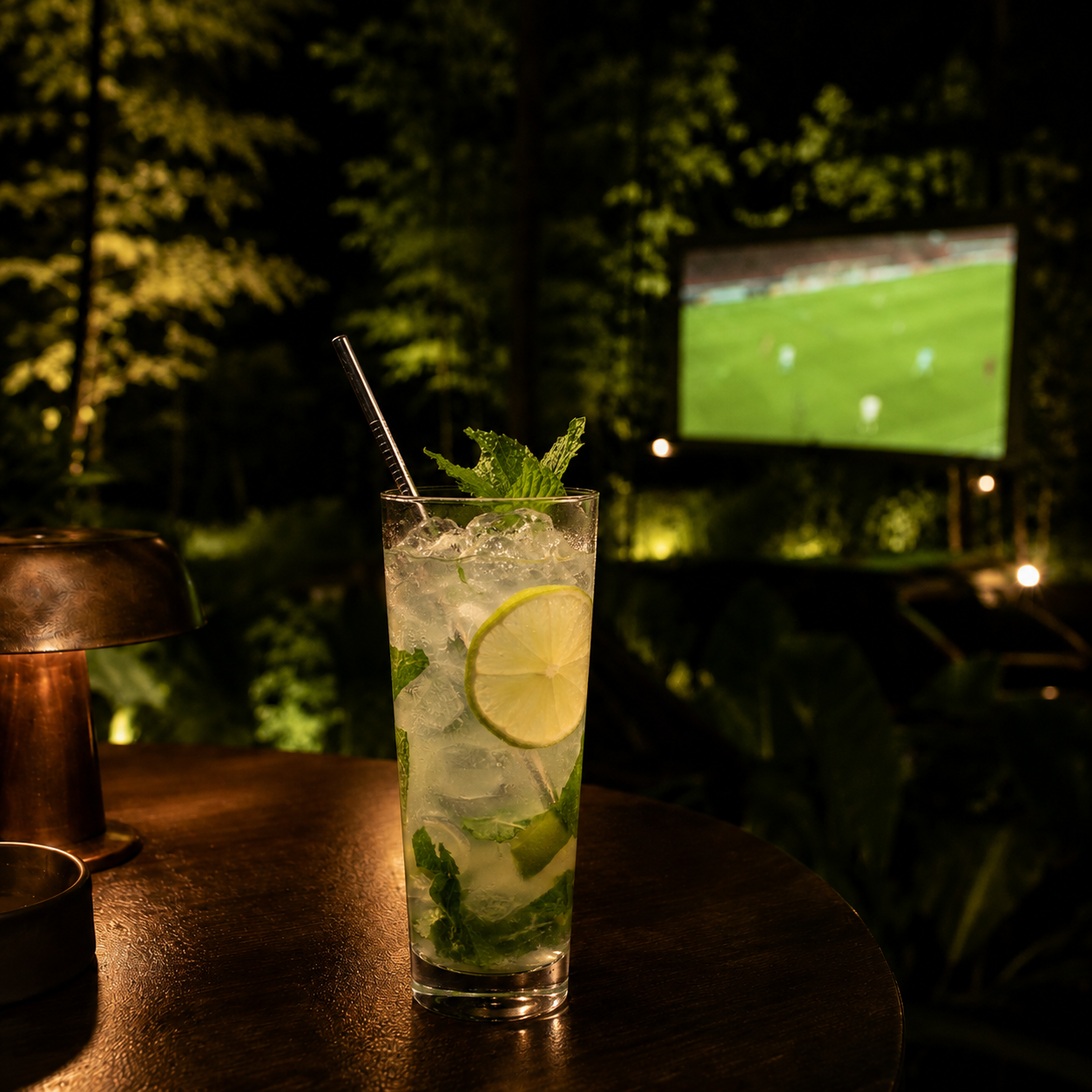
Mojito: The Refreshing Crowd Pleaser
The Mojito works especially well when the celebration lasts longer than expected.
It is fresh, social and easy to enjoy across different moments of service. It feels natural in venues where guests arrive early, stay through the match and continue ordering after the result.
Its value is in its sense of refreshment. It does not feel heavy, and it communicates quickly through its appearance: mint, citrus, ice and a tall glass.
For terraces, rooftops, hotel bars or open hospitality spaces, the Mojito has a clear role. It keeps the rhythm of the occasion moving without making the World Cup cocktail menu feel too formal.
During big match moments, it is the serve that helps the celebration breathe.
Paloma: The Bright Alternative
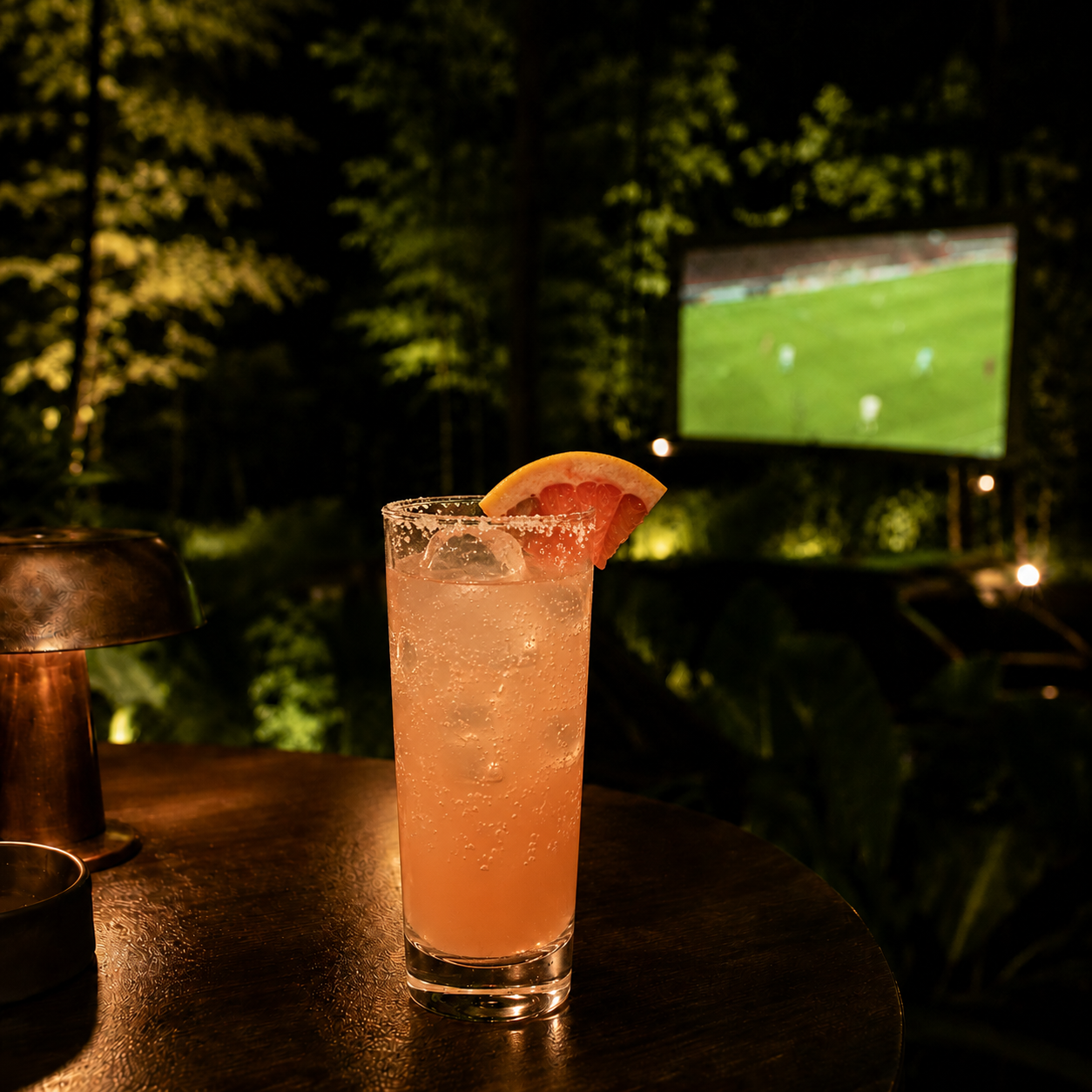
The Paloma is a strong option for venues that want freshness with a little more distinction.
It is not as obvious as a Margarita, but it is still accessible. It brings citrus, colour and a modern profile that fits well with long celebrations and high-movement service.
In a match-focused cocktail menu, the Paloma can serve a strategic function: it gives guests an attractive alternative when they want something different from the usual order, without forcing them into a complicated choice.
It also brings visual personality, which matters in moments designed around groups, screens, reactions and shared tables.
For venues that want the cocktail menu to feel current without becoming overly experimental, the Paloma is a smart serve.
Espresso Martini: The Serve for What Happens After
Not every match moment ends when the game ends.
For many venues, the real value appears after the final whistle. The result activates the celebration, guests decide to stay, conversation continues and the atmosphere shifts.
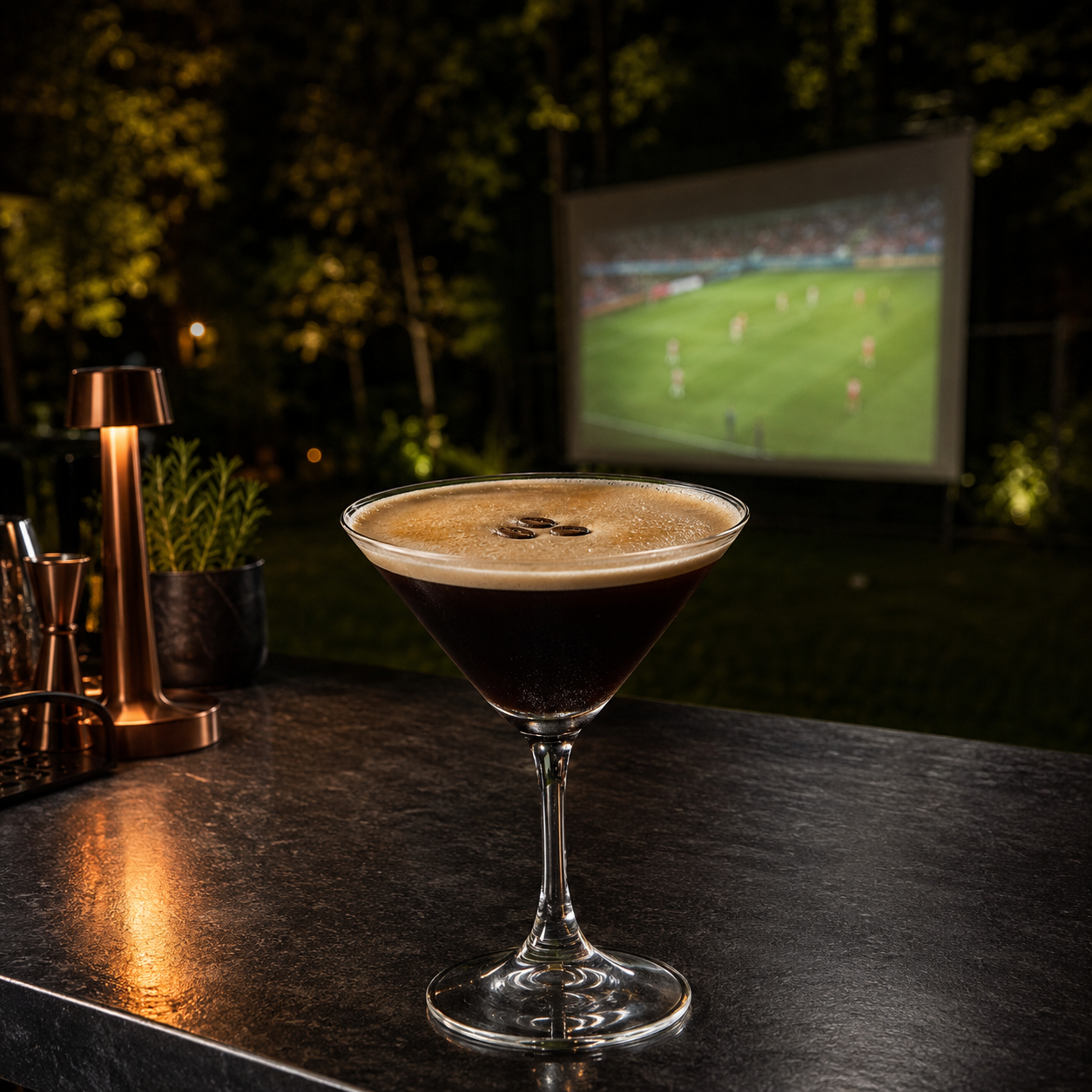
That is where the Espresso Martini has its place.
It signals energy, transition and a more social phase of the occasion. It may not always be the first drink of the match, but it can be the perfect serve when the event turns into a longer celebration.
For bars, restaurants and hotels looking to extend the value of match day beyond the result, the Espresso Martini helps keep momentum alive while still feeling premium.
It says: the match is over, but the moment is still moving.
Old Fashioned: The Classic Toast
Not every celebration is loud.
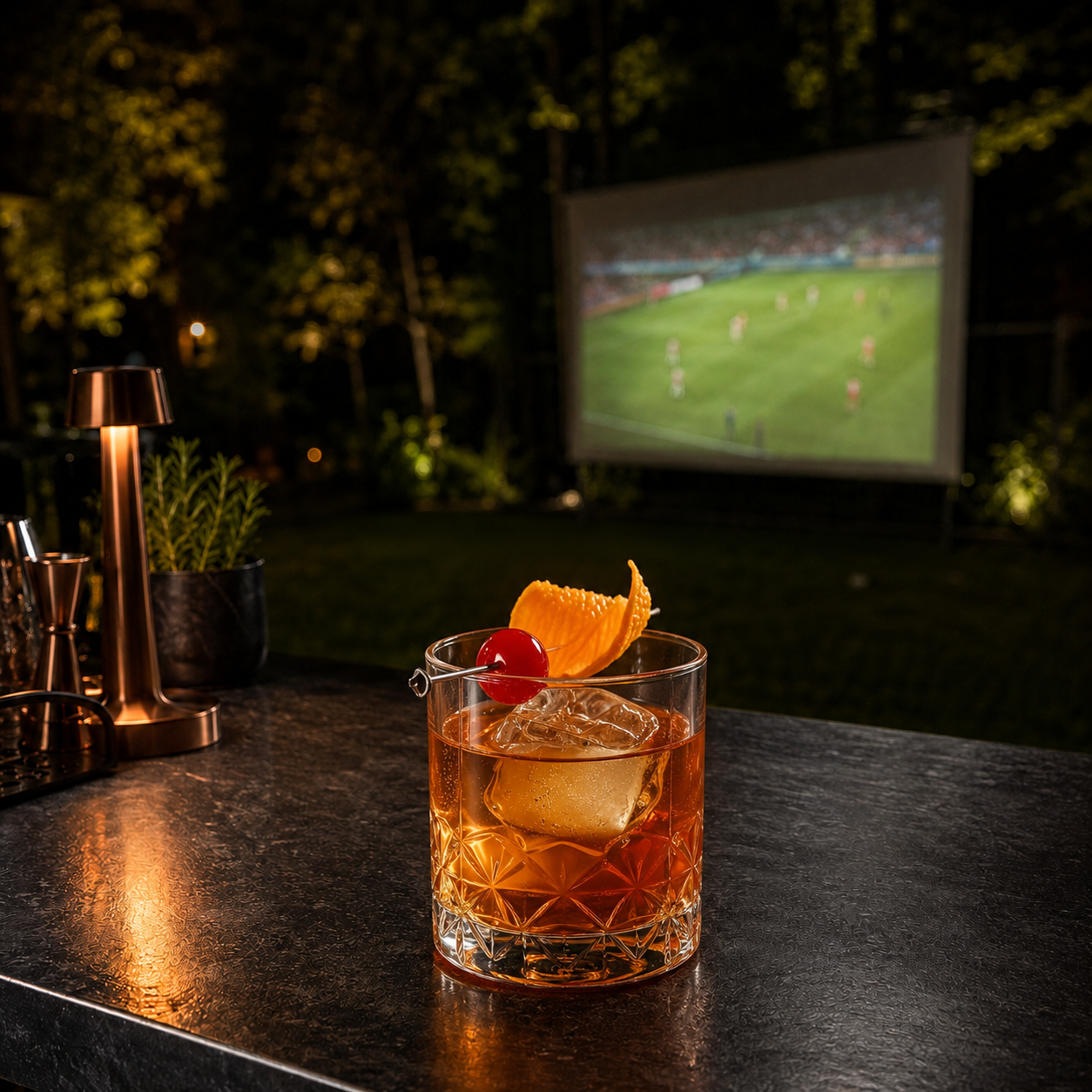
Some guests want to mark the moment with something slower, more structured and more classic. In premium venues, lounges, hotels or restaurants with a more refined offer, the Old Fashioned can play an important role.
It brings depth, recognition and a sense of occasion. In a cocktail list filled with fresh and high-energy serves, it adds balance.
The Old Fashioned helps the menu avoid becoming only about volume. It keeps space for guests who want to celebrate with intention.
Within a World Cup cocktail menu, it is the classic toast.
The Right World Cup Cocktail Menu Needs the Right Execution
Choosing the right cocktails is only part of the work.
The real challenge is serving them properly when the venue is full, the atmosphere changes quickly and orders arrive in waves. In cocktail service, every detail affects the guest experience.
That is why big match cocktails need more than good recipes. They need an operation capable of sustaining speed, precision and consistency.
For venues planning around match day demand, execution is what turns a World Cup cocktail menu from a seasonal idea into a service advantage.
How Mixologiq Helps Venues Serve the Moment
Mixologiq is designed to support hospitality teams when service demands speed, precision and control. Its role is to integrate into service workflows, reduce variability and help deliver precise, consistent and fast cocktail service in professional environments.
The bartender remains essential for hospitality, recommendation, presentation, guest connection and service rhythm. Mixologiq helps reduce variability in preparation, so the team can focus more clearly on managing the moment.
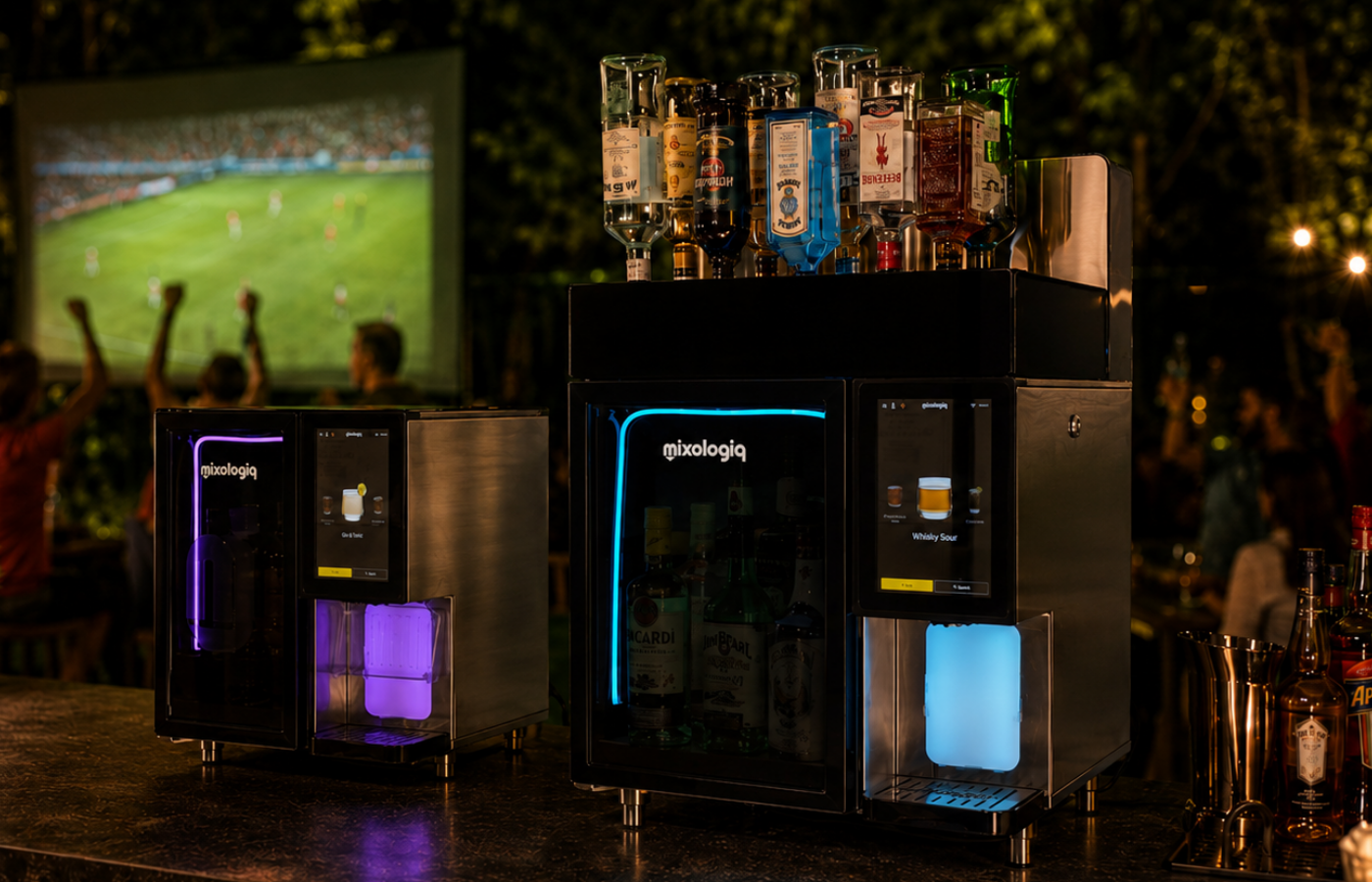
Mixo 8
For venues with a focused cocktail offer, Mixo 8 delivers a compact configuration built around 8 refrigerated bottles and 33 cocktails and mocktails.
Explore Mixo 8Mixo 20
For venues requiring broader menu flexibility, Mixo 20 expands the offer with 119 cocktails and mocktails and a wider bottle configuration.
Explore Mixo 20Both models are part of the Mixologiq platform, with Mixo Connect supporting recipe customisation and management.
For hospitality operators reviewing cocktail machines for professional venues, the question is not only what drinks to serve. It is how to keep those drinks consistent when the room is full, the energy rises and every round matters.
Mixologiq, part of the Asytec Group, connects engineering, technology and hospitality operation to support real service environments.
FAQ
What makes a good World Cup cocktail menu for venues?
A good World Cup cocktail menu should be easy to understand, visually appealing and efficient to execute. During big match moments, guests make quick decisions and order patterns can spike suddenly, so the menu needs to support both experience and service flow.
Which cocktails work best for big match moments?
Recognisable, fresh and visually strong cocktails usually work well. Margarita, Mojito, Paloma, Espresso Martini and Old Fashioned create a balanced mix of energy, refreshment, distinction, momentum and classic celebration.
How can venues keep cocktail service consistent during match day demand?
Venues need clear recipes, efficient preparation and a workflow that can handle sudden order peaks. Mixologiq supports teams by reducing variability in preparation and helping maintain speed, precision and consistency across serves.
When the Moment Matters, the Right Cocktail Carries It
Big matches create moments that venues can use far beyond the screen.
Guests may arrive for the game, but they remember the full experience: the atmosphere, the people, the service and the drink that carried the celebration.
A well-designed World Cup cocktail menu can help turn high traffic into something more memorable, more shareable and more valuable for the venue.
Margarita for energy. Mojito for refreshment. Paloma for distinction. Espresso Martini for momentum. Old Fashioned for intention.
Because some matches should not be celebrated with just any drink. When the moment matters, the right cocktail can turn a celebration into a favourite memory.
For venues preparing for high-demand service, Mixologiq helps teams serve cocktails with speed, precision and consistency — so the moment stays with the guest, not the queue.