


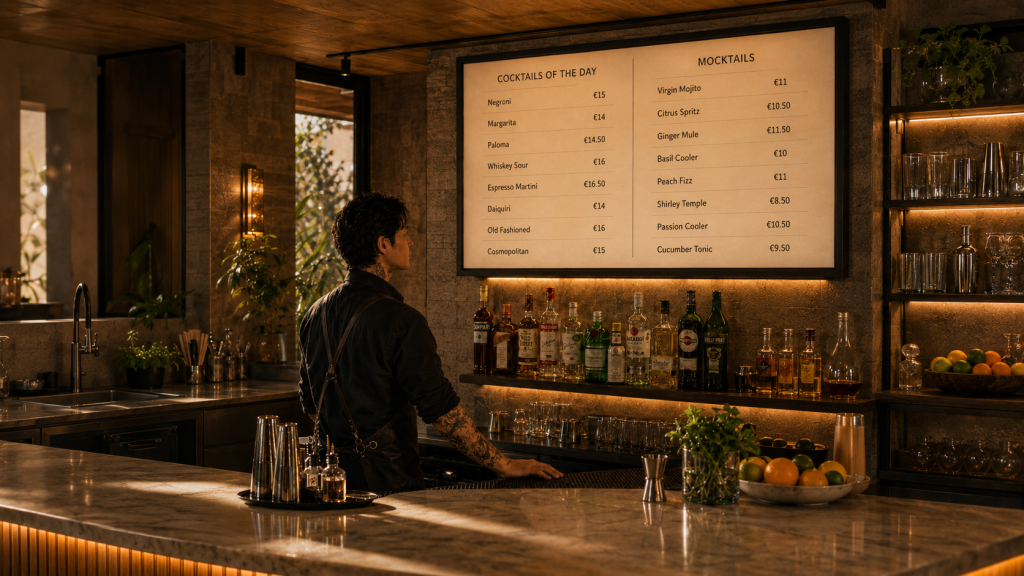
A cocktail menu should not be designed through creativity alone.
Creativity matters. It gives a venue character, shapes the guest experience and turns a menu into something more memorable than a simple list of drinks. But in hospitality, strong cocktail menu design must also respond to something more precise: what guests actually want to order, how their choice is guided, and how quickly the offer can evolve when the context changes.
A menu is not just a creative exercise. It is a commercial tool.
That is why more does not always mean better. A menu with too many options may look attractive at first, but without a clear logic behind it, it can dilute the guest’s decision. The objective is not to fill pages. The objective is to build a menu with intention.
A strong cocktail menu design can express creativity, but it also needs operational clarity. It has to guide the guest, support the team and give the venue a clear way to adapt when demand, seasonality or service context changes.
In professional hospitality, the strongest menus are not the longest. They are the ones where every cocktail has a reason to be there.
Build from real demand
The first step in designing a smarter menu is understanding what guests are actually ordering.
Many cocktail menus start with intuition. Classics are included because they feel essential. New recipes are added because they follow a trend. Signature drinks are created because they support the identity of the venue. All of this can have value, but it should not be the only starting point.
A strong menu needs to listen to service.
This information changes the way cocktail menu design is approached.
A cocktail may have a strong story, a refined presentation and a memorable name, but if it does not connect with guest behaviour, its role on the menu should be reviewed. At the same time, a simpler drink may become one of the most valuable parts of the offer because it is easy to understand, fits the occasion and is ordered with confidence.
This does not mean a menu should be dictated by sales alone. A premium beverage programme still needs vision, curation and personality. But when creativity is supported by real demand, decisions become sharper.
What do we want to put on the menu?
What does our guest want to order?
The better question is: what does our guest want to order, and how can we present it in a way that feels more interesting, more aligned with the brand and more valuable for the venue?
That is where true cocktail menu design begins.
Real demand does not remove creativity. It focuses it.
Design a menu architecture, not an endless list
Smart cocktail menu design is not a collection of cocktails. It is a structure.
Guests should not have to study the menu in order to make a decision. The menu should help them choose. It should offer clear paths, recognisable flavour profiles and a sense of variety without turning the experience into an endless list.
This is where many cocktail menus lose strength. Not because the drinks are weak, but because there is no clear architecture behind them.
A well-designed menu can include classics, signatures, refreshing options, stronger profiles, aperitif-style serves and mocktails designed with the same level of care as the rest of the offer. But every category should have a purpose.
Variety is not about having more. It is about covering better.
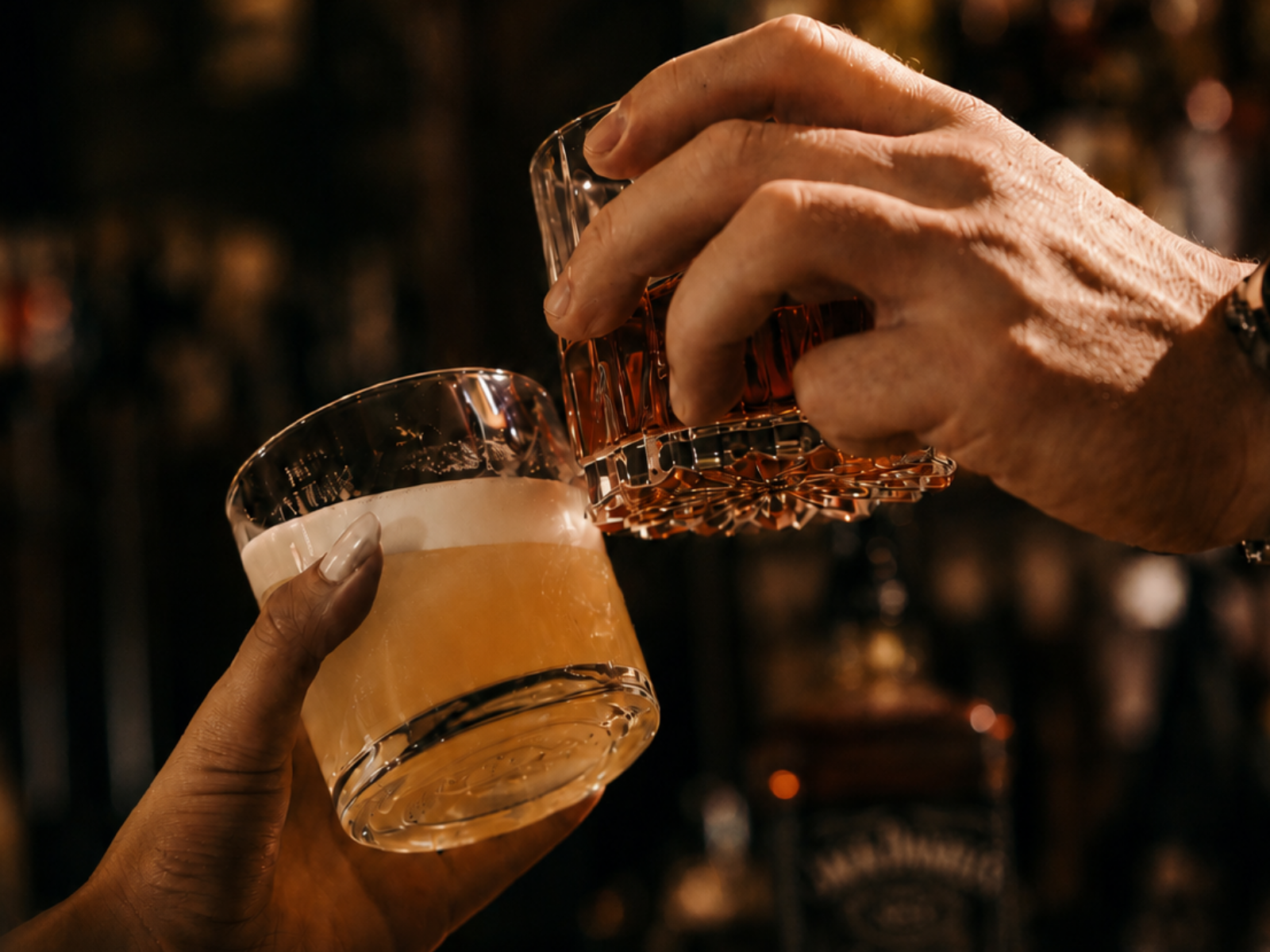
A structured menu can respond to different consumption moments: something light before dinner, a more expressive drink after a meal, a refreshing cocktail for a terrace, a non-alcoholic option that does not feel secondary, or a distinctive serve for guests looking for something unique to the venue.
This is especially important for hotels, resorts, restaurant groups and brands with several points of service. A lobby bar, rooftop, restaurant and pool bar do not always need the same cocktail menu. They may share one identity, but they do not necessarily share the same guest behaviour.
This is why cocktail menu design needs architecture, not just creativity.
Some drinks may work as part of a common brand foundation. Others may adapt to the specific context of each outlet. Some may be essential for volume. Others may exist to elevate perception, reinforce identity or open a category that was not properly represented before.
The question is no longer how many drinks the menu can hold.
The question is: what role does each drink play within the experience?
When every cocktail has a clear function, the menu becomes easier to understand, easier to recommend and more coherent for the guest. It does not feel smaller. It feels better designed.
Activate opportunities with speed
A good menu should not only be well designed. It should also be able to move when the context changes.
Hospitality works through moments. Seasons, special dates, local events, private celebrations, internal campaigns, terrace openings, brunch weekends, Christmas, Valentine’s Day, Halloween or summer can all influence what guests want to order.
The opportunity is not always to create an entirely new menu. Sometimes, the opportunity is to activate the right preparation at the right moment.
A fresher flavour profile can gain strength during warmer months.
A special serve can attract attention during a specific date.
A mocktail can become more visible when non-alcoholic demand rises.
A limited selection can make the offer feel current without changing everything.
The issue is that many menus move too slowly.
When a date arrives, the opportunity is already active. If the menu takes too long to respond, the offer loses relevance. And when that date ends, the same preparation may lose its purpose just as quickly.
That is why smarter cocktail menu design needs commercial speed.
This does not mean changing for the sake of change. It means being able to activate, highlight or remove preparations with clarity. The foundation of the menu can remain stable, while specific elements move according to the calendar, outlet, campaign or guest behaviour.
Creativity needs timing.
A strong cocktail at the wrong moment can go unnoticed. A relevant preparation at the right moment can drive orders, reinforce the guest experience and make the venue feel more connected to what is happening around it.
At this point, the menu stops being a fixed asset. It becomes a living tool.
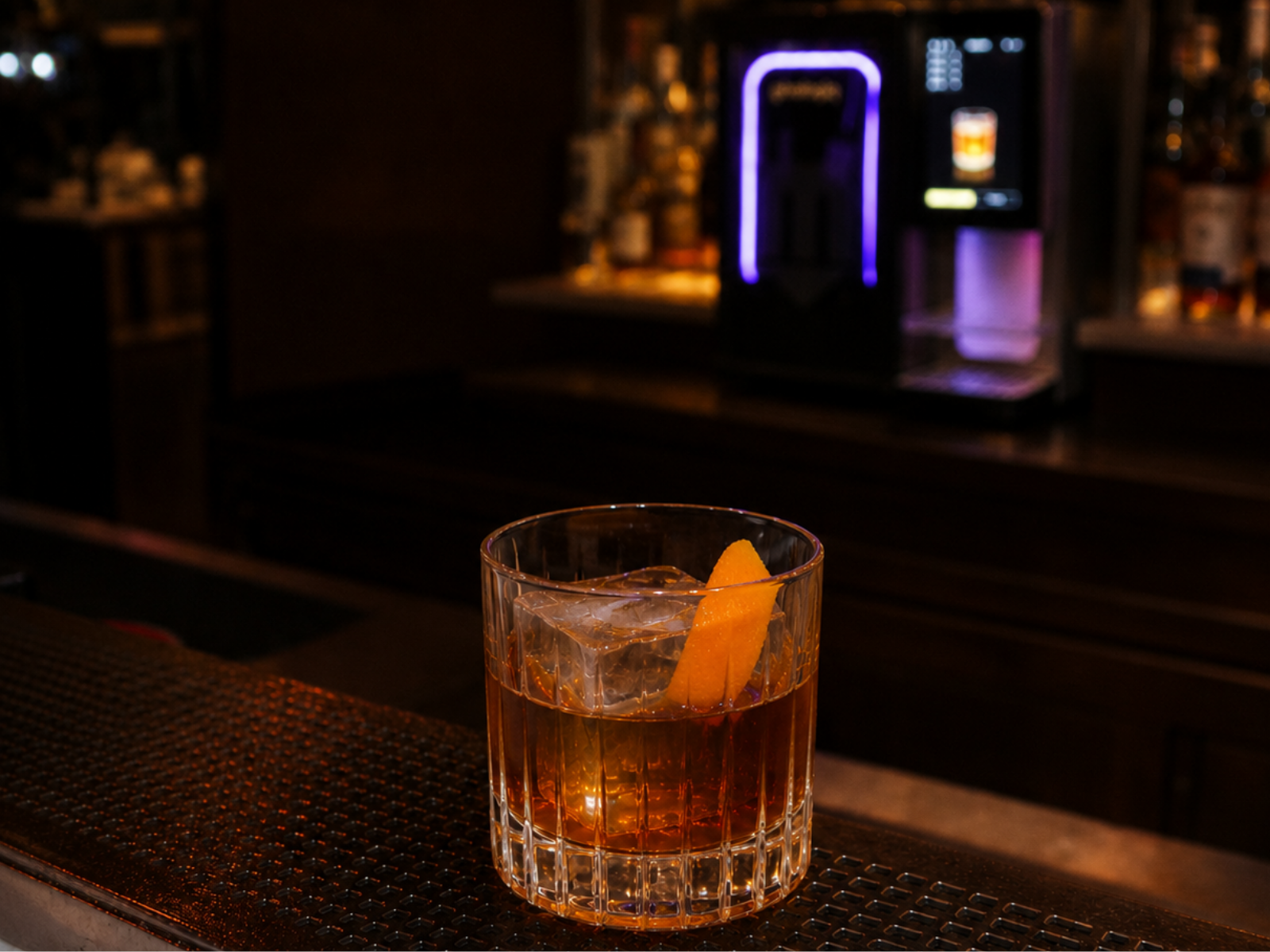
Creativity and intelligence are not opposites
For a long time, creativity and management have often been treated as if they belonged to different worlds.
On one side, inspiration: flavours, names, presentation, aesthetics, storytelling.
On the other, information: demand, usage, performance, organisation, updates.
But in a modern cocktail menu, these two sides should not compete. They should work together.
Creativity turns a drink into an experience. Intelligence helps identify which drink deserves more visibility, which category needs support, which preparation works better in each space and which opportunity should be activated at the right moment.
You can know which products are ordered most often and still present them creatively. You can identify a consumption pattern and turn it into a seasonal offer. You can see that a mocktail category has potential and give it a more considered place on the menu. You can maintain a common foundation across several venues while adapting specific elements to each context.
That is the point. It is not about choosing between intuition and information. It is about connecting them.
The platform helps identify which recipes are more active, how the menu is being used and where adjustment opportunities may exist. From there, operators can make clearer decisions: what to highlight, what to adapt, what to activate for a specific date, what to keep as part of the core offer and what to remove when it no longer has a role.
This does not replace the team’s judgement. It strengthens it.
The bartender, F&B manager and operator still define the identity of the menu. Technology simply provides a clearer foundation for more precise decisions.
In this ecosystem, Mixologiq and Asytec are part of a professional vision for technology in hospitality: tools designed to make management clearer, more adaptable and more connected to the reality of service.
A smarter menu is built to move
A perfect menu does not exist.
What does exist is a smarter cocktail menu design: one built from real demand, organised through clear architecture and ready to respond quickly when the context changes.
The future of cocktail menu design is not about adding more drinks for the sake of variety. It is about understanding what guests want to order, how that choice should be guided and how the menu can evolve without losing coherence.
Because a cocktail menu is not only what the guest reads.
It is what the business chooses to show, move and improve.
And when creativity and intelligence work together, the menu stops being a list of drinks and becomes a living tool for experience, operations and growth.