


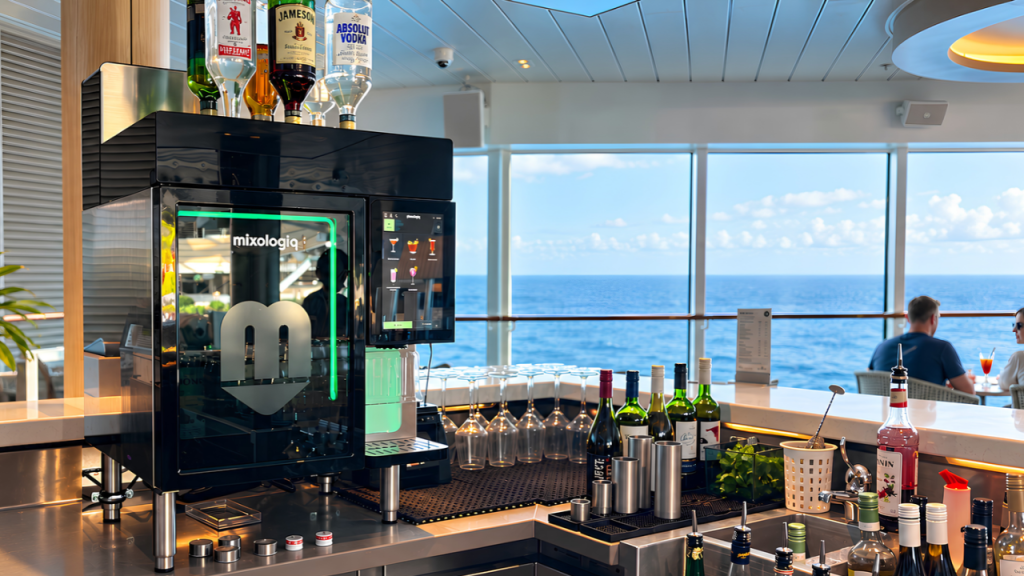
Cruise lines can keep cocktails consistent across a fleet by using approved recipes, shared bar procedures, clear staff handovers and checks on the finished serve. Dispensing technology can help repeat the quantities of configured liquids, while bartenders remain responsible for preparation technique, finishing and service.
The real challenge of cocktail consistency is keeping a drink recognisable even when the ship, bar or people behind it change.
1. What should stay the same on every ship?
A cocktail depends on more than its ingredients. Quantities, dilution, ice, temperature, glassware and garnish all help define the finished drink.
For a fleet F&B; team, the first step is to decide which elements must remain fixed and which variations may be authorised for particular bars or menus.
That distinction matters: an approved variation is part of the offer. An improvised change may alter the experience while retaining the same cocktail name.
2. One master recipe for the whole fleet
A cocktail recipe template designed for multi-outlet operations needs to go beyond a list of ingredients.
Each specification should identify the approved version, owner and review date; exact quantities; permitted substitutions; and preparation instructions. It should also state when to shake or stir, the glassware and presentation required, and which steps call for manual intervention.
The shoreside beverage team can define the standard. Onboard managers need access to the current version and a clear way to report exceptions.
This approach aligns with fleet standardisation and shoreside-to-ship coordination responsibilities described in an official cruise F&B leadership job description.
3. Turn the recipe into a daily procedure
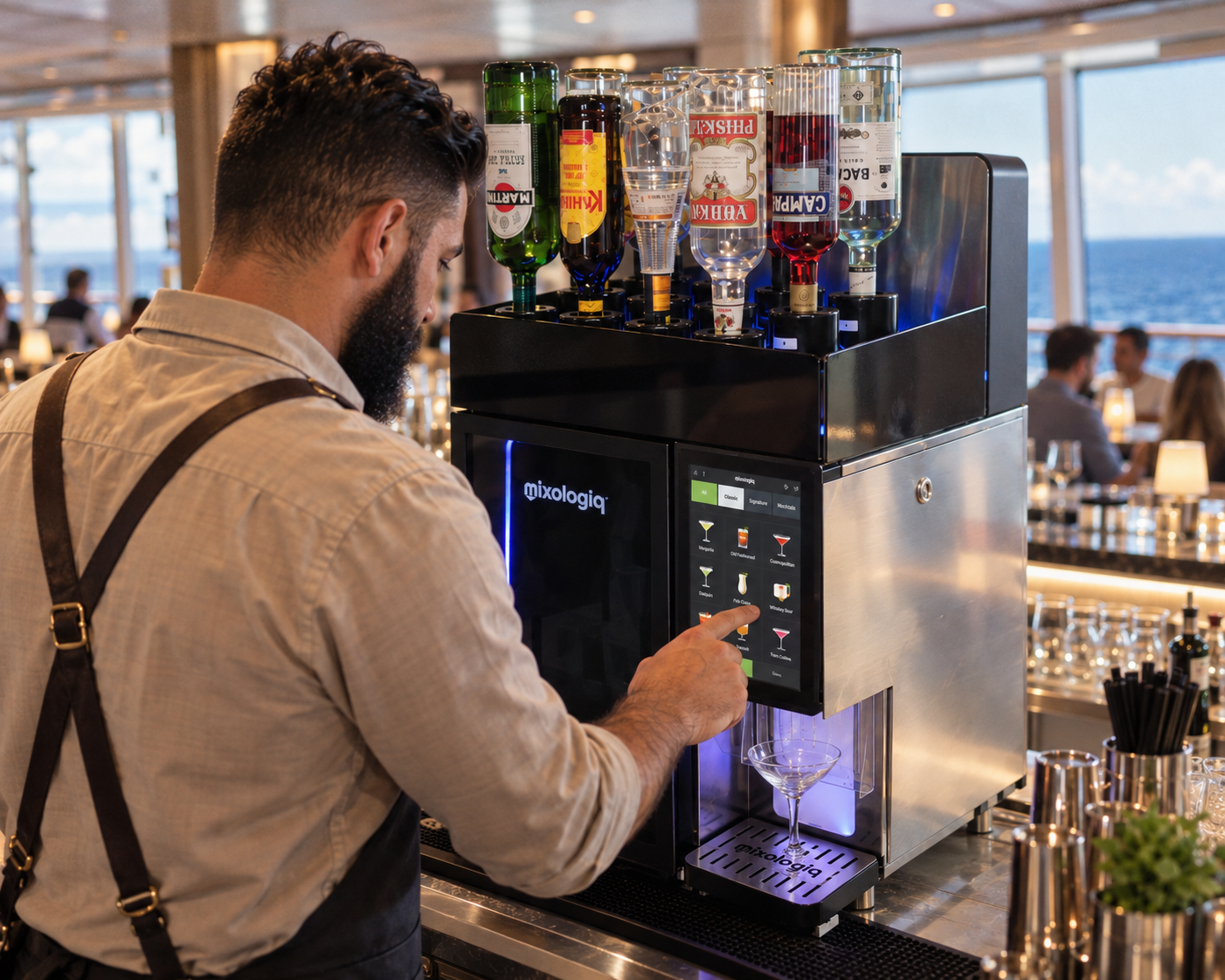
Bar standard operating procedures translate an approved specification into actions teams can follow during service.
Before opening, each bar checks that the correct recipes, ingredients, equipment and service materials are available. Ingredient substitutions should follow known rules instead of ad hoc decisions.
At shift handover, staff need to communicate which recipe versions are active and whether any issues remain unresolved.
This turns the standard from a corporate document into part of daily onboard operations.
4. What does an incoming bartender need to know?
A short bartender training checklist can support continuity as teams change.
It should show where to find the approved recipe, which ingredients or actions are manual, when shaking or stirring is required, and how the drink should be presented. It should also identify who can authorise an exception.
A practical demonstration remains important. Accessible instructions support learning, but do not remove the need for training.
5. Check that the served cocktail meets the standard
A bar audit checklist can help supervisors identify differences between the approved recipe and the drink served to a guest.
A spot-check may cover quantities, ingredient condition, preparation technique, dilution, temperature, glassware and garnish. Supervisors should also assess sensory balance and record deviations that need correction.
An external shipboard mixologist role description includes cocktail specification manuals and sensory checks among the responsibilities of the role.
A correct dose matters. It does not, by itself, prove that every finishing step meets the agreed standard.
6. How can Mixo support consistency?
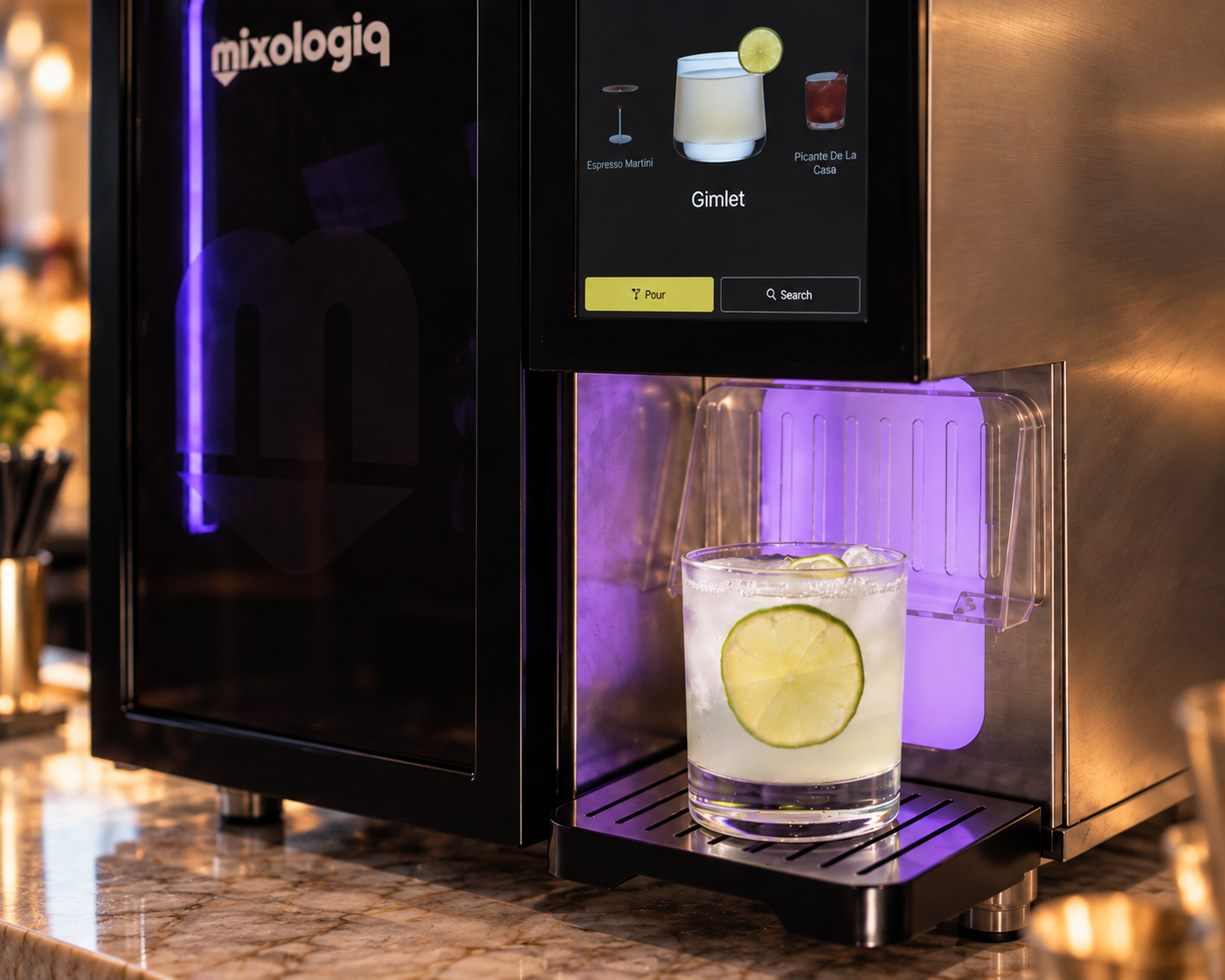
Mixo supports one specific part of preparation: precise dispensing of configured liquid ingredients.
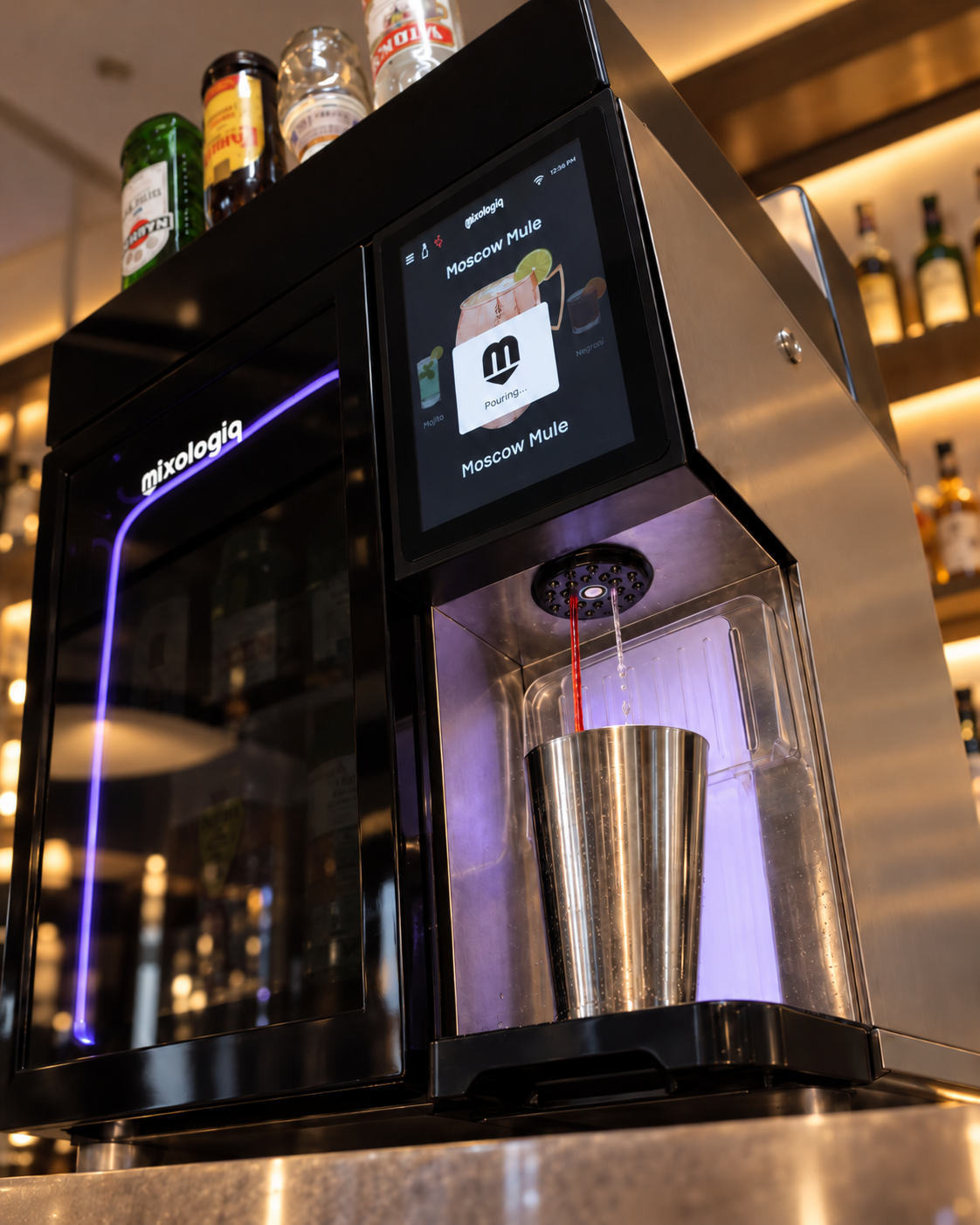
The bartender selects the cocktail on the touchscreen. Mixo precisely dispenses the liquids configured and available in the machine. The bartender then shakes only when the recipe requires it, adds any manual ingredients, garnishes and serves.
Mixo controls the pour. People finish the drink and deliver the hospitality.
Mixo Connect has documented functions for managing recipes, menu versions and bottle positions. These can support configuration, but do not replace a cruise operator’s procedures or human quality checks.
Professional operation also requires daily cleaning at closing.
For cruise applications, equipment use is indoor use only. The suitability of a particular onboard location, installation conditions and service arrangements must be assessed separately.
Explore further context on Mixologiq’s cruise-sector page.
One shared standard, a recognisable experience
Consistency across ships starts with a common recipe, continues through clear procedures and is confirmed through service checks.
Precise measurements help protect the approved specification. Bartenders bring the technique and attention that turn those measures into hospitality.
Discover how Mixologiq can support controlled dispensing in your beverage operation.
Book a Demo