



Three moments that shape whether a first visit becomes a habit.
First visit guest retention starts long before a guest decides to return. You are on holiday. You have spent the day travelling, checking in, walking around and looking for the right place to slow down. Not just somewhere to sit, but somewhere to relax, order something well made and share a good moment.
You find a venue that looks right. The atmosphere feels promising. The menu looks interesting. The bar is active, the tables are full and the place has energy.
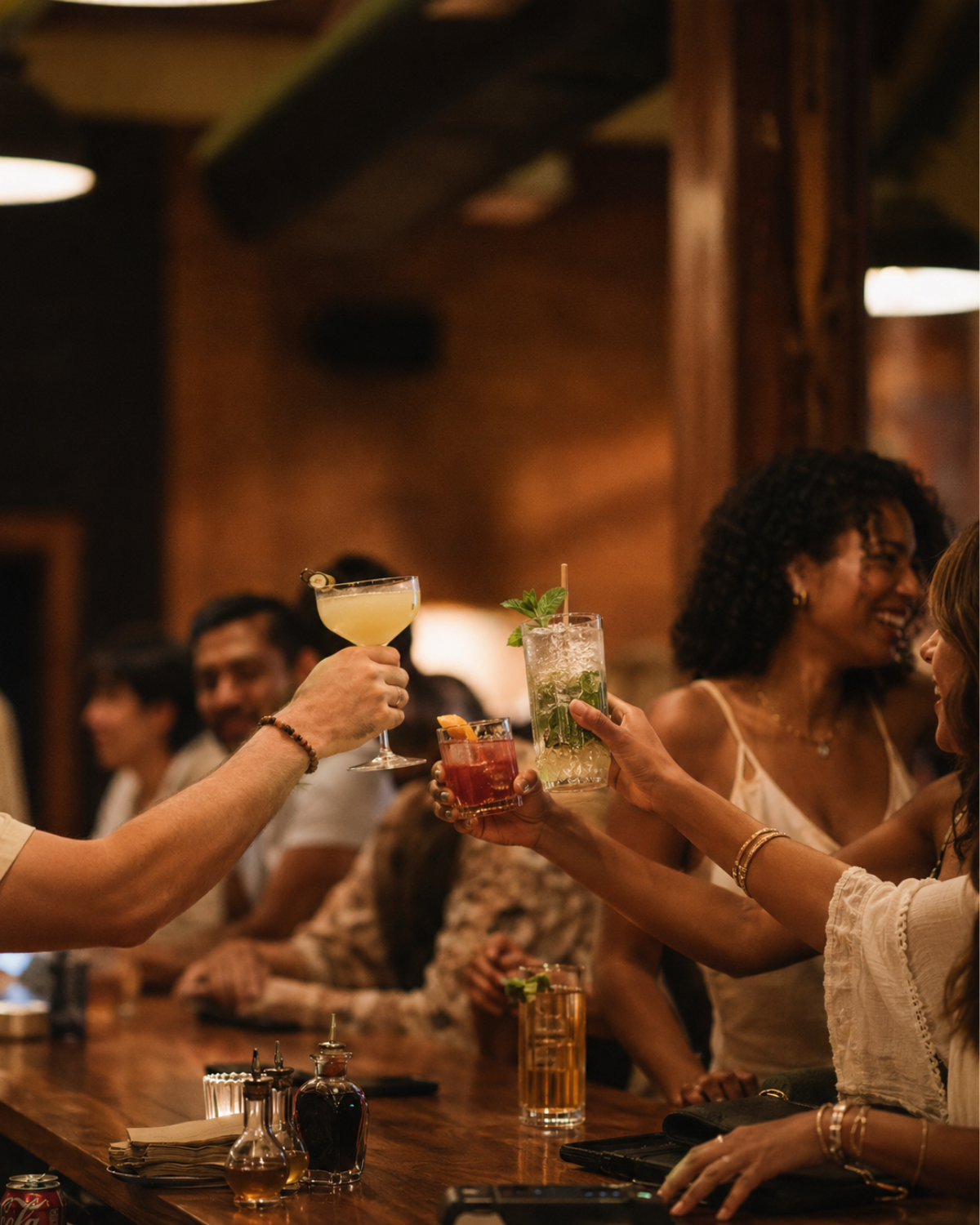
Guests are quietly deciding whether the venue understands them, whether the service feels considered and whether the experience is worth repeating.
That is why first visit guest retention depends on how quickly the venue creates confidence, clarity and trust.
Then the experience begins.
No one attends to you quickly because the team is busy managing existing orders. When you finally place your order, the drinks take longer than expected. When they arrive, something feels off. One cocktail tastes lighter than it should. Another feels too strong.
Probably not. Not because the venue failed completely. Not because the team did not care. But because the first experience did not create confidence.
Would you choose that place again?
Reduce the Wait Before the First Drink
The first drink carries more weight than many venues realise.
It is often the first tangible sign that the guest is being looked after. Before the food arrives, before the evening develops and before the guest has formed a full opinion, the first drink sets the pace.
The guest feels acknowledged, the service feels attentive and the venue feels in control.
The guest begins to notice delays and compare the promise of the venue with the reality of the experience.
Every guest wants to feel valued, especially during a first visit. They may not expect formal luxury, but they expect attention.
A fast first drink communicates care without needing to explain it.
For operators, this is not only about speed. It is about removing the empty space between arrival and experience. The longer that space becomes, the more time the guest has to question whether they made the right choice.
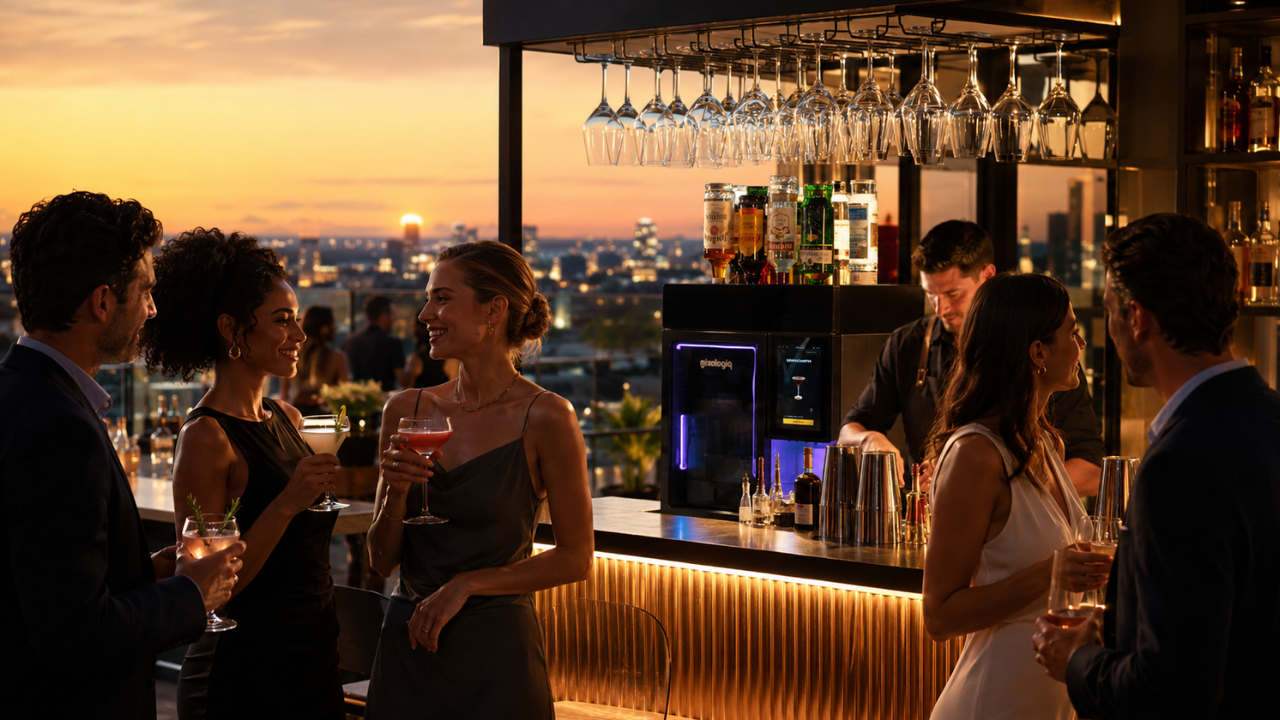
In that sense, first visit guest retention begins with reducing the time between arrival, attention and the first drink.
Protect the Standard of Every Pour
A cocktail is not just a combination of ingredients. It is a promise.
When a venue places a drink on its menu, it creates an expectation around taste, strength, balance, presentation and value. The guest does not see the recipe sheet or the cost structure behind the drink. They only experience the result.
The cocktail can feel weak, incomplete or below the standard the venue intended.
The cocktail can feel unbalanced, too strong or disconnected from the original recipe.
This matters because guests remember the result, not the operational conditions behind it. They do not know whether the bar was short staffed, whether a new team member was learning or whether the rush affected execution.
A controlled pour helps protect the expectation created by the venue.
It gives the guest a clear sense of what the venue stands for. It tells them that the drink they ordered today can be trusted tomorrow. It makes the next order easier because the guest already knows the standard.
That is where repeat visits begin. Not with surprise, but with trust.
Make the Flavour Worth Ordering Again
The flavour of the first cocktail can influence the whole visit.
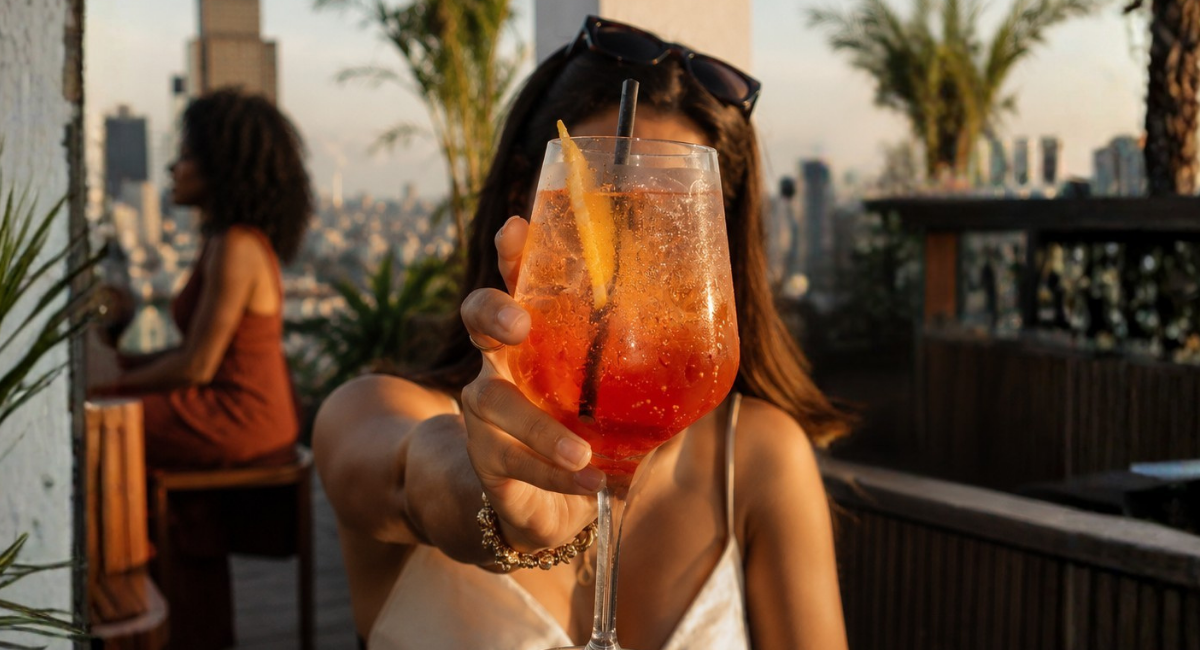
A well balanced drink does more than satisfy the first order. It gives the guest permission to continue exploring. They may order another cocktail. They may recommend the drink to someone at the table. They may feel more open to trying something else on the menu.
But when the flavour is wrong, the effect moves in the other direction.
The guest trusts the menu and feels more open to ordering again.
The guest hesitates, lowers expectations or moves to something safer.
This is especially important for venues that want cocktail programmes to feel premium, not occasional. Taste has to be reliable enough for the guest to believe in the next serve.
The goal is not to make every drink dramatic. The goal is to make every drink correct.
Balanced. Clear. Expected in the best sense of the word.
When flavour is dependable, the menu becomes easier to trust. And when the menu is easier to trust, guests are more likely to return.
This is where first visit guest retention becomes an operational result, not only a marketing goal.
From Making Drinks to Improving Service
Cocktail automation is often misunderstood as a simpler way to make drinks. But in professional hospitality, its real value is broader.
It changes what the team is able to focus on.
Instead of losing time to repetitive preparation, staff can give more attention to guests. Instead of serving cocktails with variable pours, the venue can provide the standard it designed. Instead of delivering the same cocktail with different results, the operation can serve the drink guests expected from the beginning.
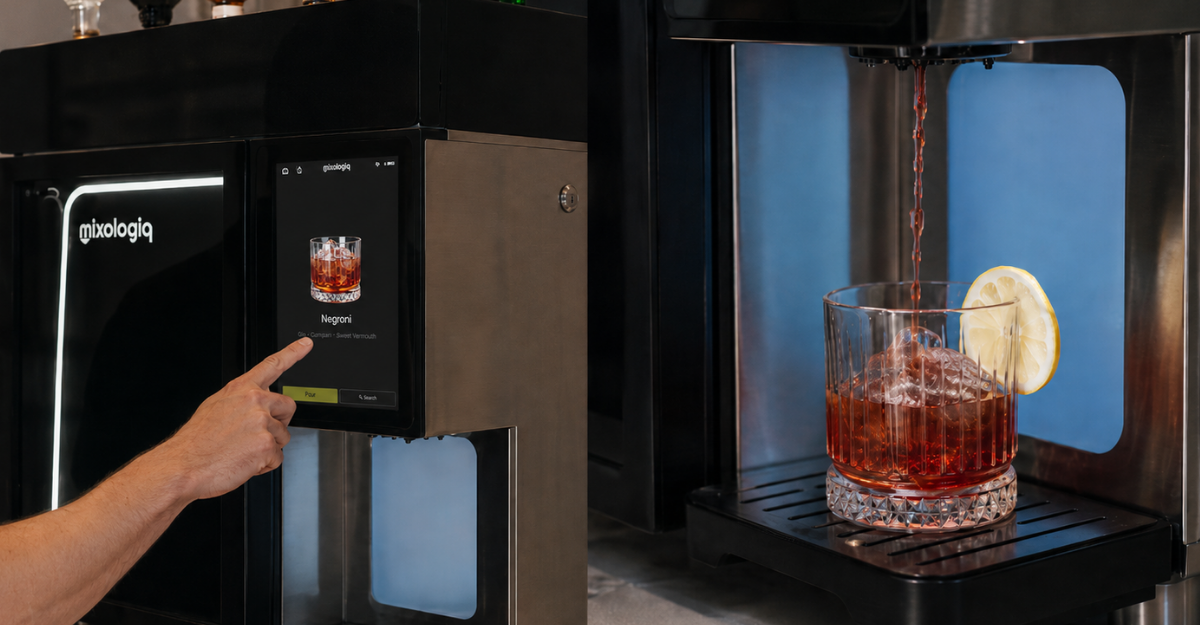
That is where Mixologiq fits naturally.
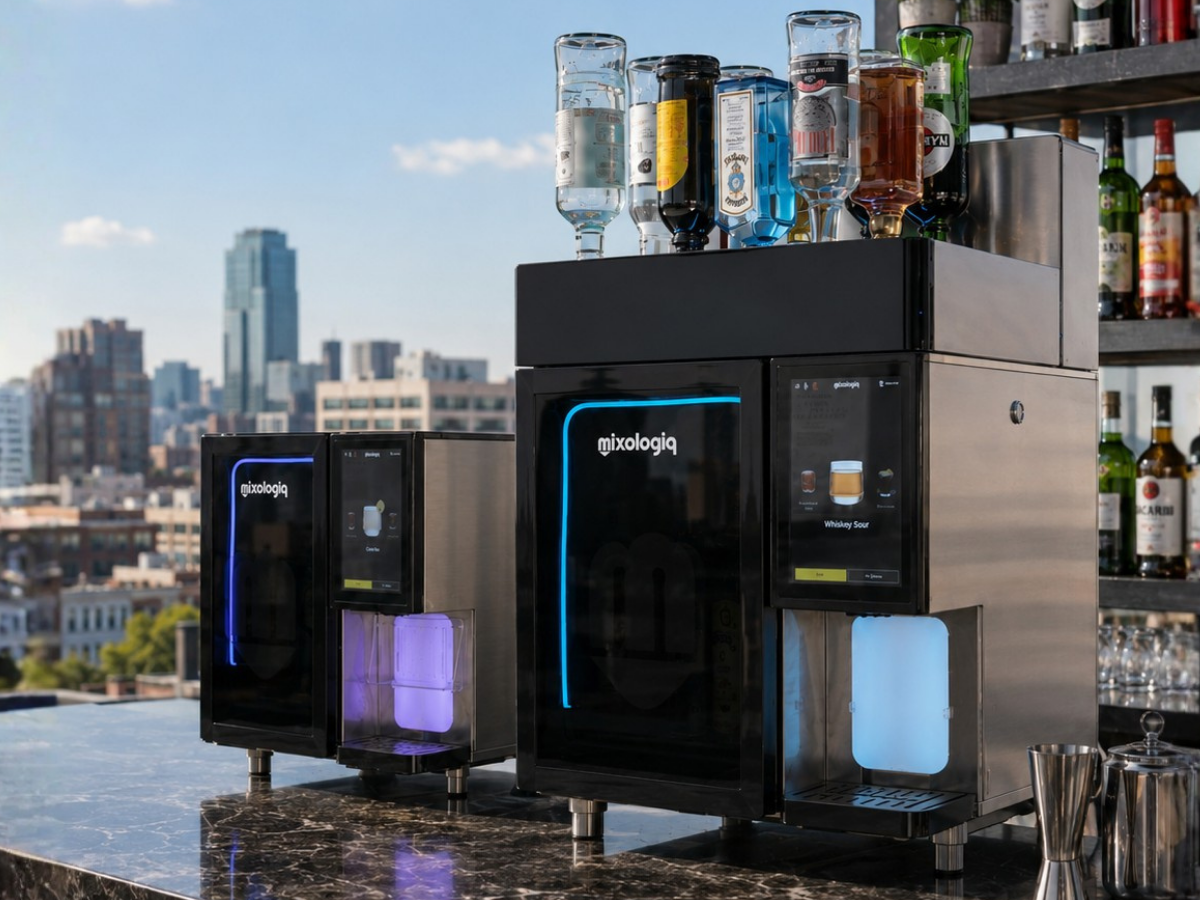
Mixo 8
Built with 8 refrigerated bottles and 33 preloaded recipes, making it suitable for more focused cocktail programmes.
View Mixo 8Mixo 20
Expands the capacity with 20 bottles and 119 preloaded recipes, supporting wider menus and greater operational flexibility.
View Mixo 20Mixo 8 and Mixo 20 are designed for professional hospitality environments where speed, precision and repeatable execution matter. Both systems support cocktail service in under 30 seconds, with touchscreen operation, connectivity, semi automated cleaning and Mixo Connect for centralised performance tracking and recipe control.
In both cases, the objective is not to replace the hospitality team. It is to support them.
A bartender still brings presence, service, knowledge and human connection. Mixologiq helps remove the variables that make the first experience harder to control: waiting time, inconsistent pours and unstable flavour.
Mixologiq, part of Asytec Group, helps operators integrate automated cocktail service with greater confidence.
Because a first visit is not only about what guests order.
It is about what they decide next.
If the first drink arrives with care, if the pour feels right and if the flavour meets expectation, the venue earns something valuable: the possibility of a second visit.
And in hospitality, that possibility is where long term value begins.