


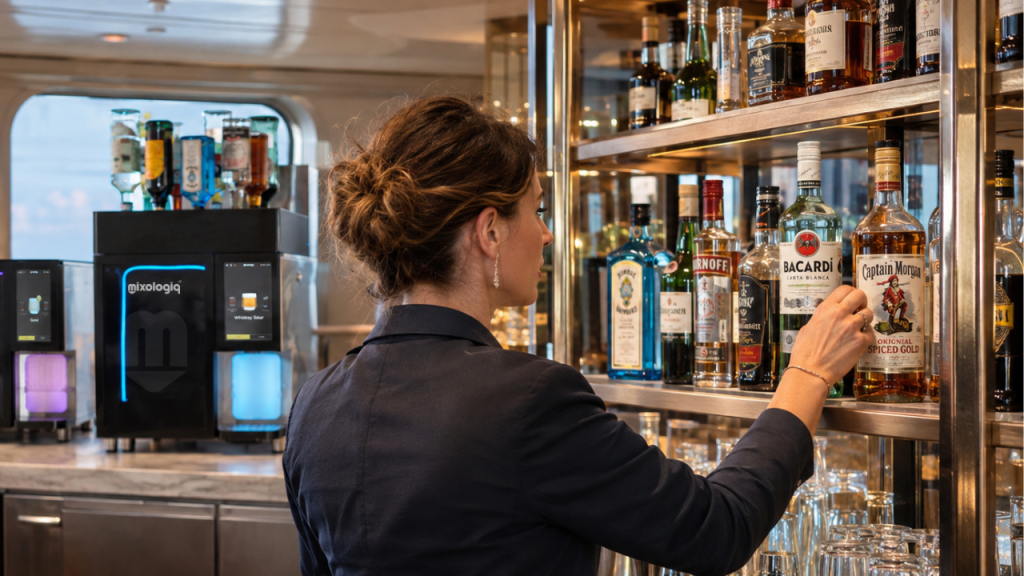
Bar data should tell a fleet F&B team more than how busy the last shift felt.
"How much did we sell today?"
"A lot, probably."
"Which ingredients do we need to restock?"
"I’m not sure. We’ll have to count the bottles."
"And which cocktail should we feature more tomorrow?"
"I think the Mojito. Everyone seemed to order it."
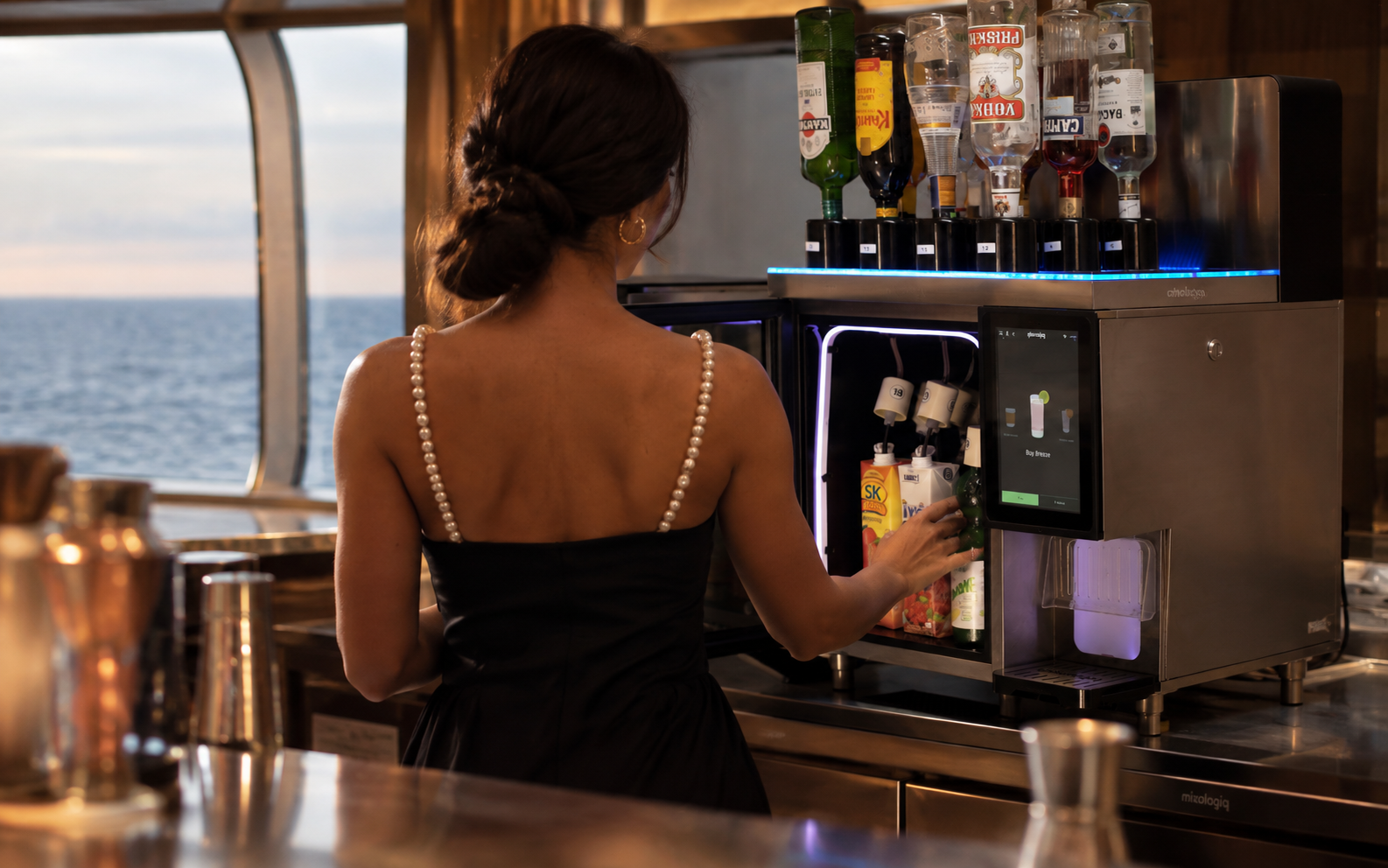
A shift full of orders comes to an end. The team has worked hard, yet those answers do not show what to improve or how to prepare for the next service. The essential bar data for a fleet food and beverage team includes recorded cocktail dispenses, confirmed sales, most-used recipes, ingredient consumption, physical stock, beverage costs and cleaning records.
Reviewing this bar data helps managers recognise guest preferences, assess which drinks to offer and plan replenishment before ingredients run short. It also reveals activity patterns across service periods, informing the resources needed to maintain the quality of the guest experience.
Across a cruise fleet, bar data matters even more. Each vessel has several onboard bars, different schedules and changing patterns of demand. While guests enjoy their holidays, F&B leaders need a clear view of each outlet and a consistent way to compare shifts, voyages and vessels.
The information behind onboard beverage operations
In cruise ship bar operations, knowing which recipes are dispensed and when gives managers a clearer picture of service activity.
Machine and date-range records help review equipment utilization as recorded activity, rather than a certified measure of uptime. Recipe frequency also informs menu engineering when it is considered alongside verified sales and costs before changes are made to the offering.
Bar data has more than one source
To understand onboard cocktail sales, managers use POS-confirmed transactions. Dispense records answer a different question: which preparations were logged by the machines. That distinction matters because service may also involve manually prepared drinks, test preparations and complimentary cocktails.
Replenishment requires a view of both activity and available stock. Beverage consumption can be estimated for machine-managed liquids using verified recipe quantities and recorded dispenses. Physical counts and stock movements complete the picture; reconciling them helps teams investigate inventory variance and plan what needs replenishing.
Finance brings another source of evidence. Beverage cost percentage expresses the cost of beverages sold relative to net beverage sales, using verified purchasing, inventory and sales records.
Operational oversight also includes the cleaning log, which records cleaning cycles by date and type. Daily closing cleaning remains required, alongside the supervisor’s checks that procedures have been followed.
Onboard supervisors review daily activity and exceptions. Shipboard F&B management consolidates each voyage’s results, while shoreside teams compare outlets and equivalent periods. Each source contributes to a specific decision about service, ingredients or operations.
Mixologiq: precision in service, visibility in management
F&B professionals know the value of these indicators. The challenge comes when teams are focused on serving guests and have little time to record and review each preparation manually.
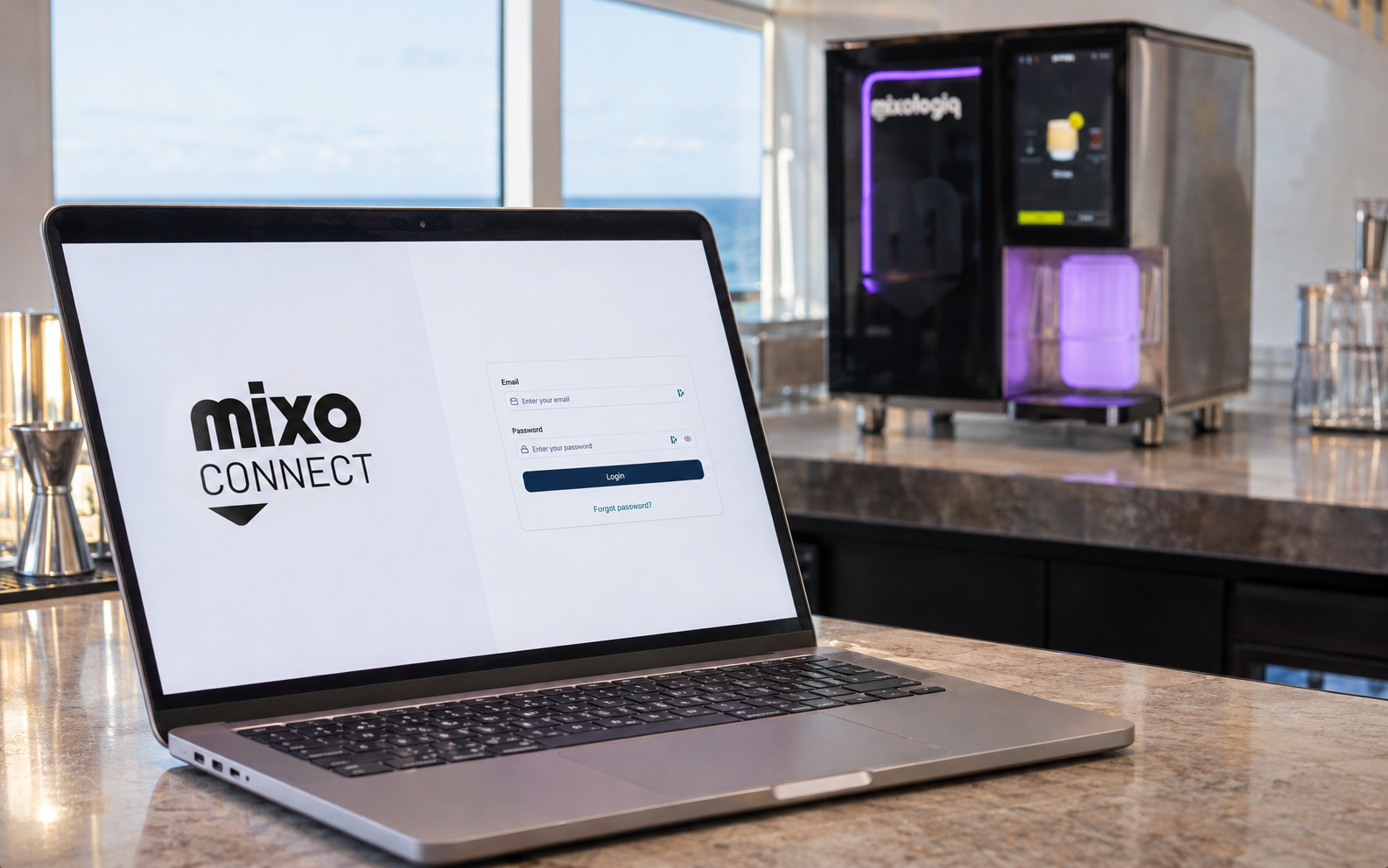
Mixologiq combines precise dispensing with operational records that authorised managers can review through Mixo Connect.
-
During service, the bartender selects a cocktail on the touchscreen.
-
The Mixologiq machine precisely dispenses the configured machine-managed liquid ingredients.
-
The bartender adds the required manual components, shakes only when the recipe calls for it, garnishes and serves.
Technology handles the precision of the dispense; people remain responsible for finishing the drink and looking after the guest.
The machines’ activity is recorded and available to review in Mixo Connect. Authorised managers can examine recorded cocktail quantities, identify the most frequently prepared recipes and compare selected machines and periods.
The platform also provides tools for managing recipes, ingredient configurations and staff access, as well as reviewing cleaning records.
This gives managers concrete dispensing data without relying on what the team remembers after a demanding shift. Combined with POS sales, physical inventory controls and finance records, it supports better-informed F&B decisions.
For shoreside leaders, Mixo Connect provides access to activity from authorised machines and accounts, which can inform comparisons across outlets when reporting periods and definitions are aligned.
Mixologiq machines are indoor use only. Any proposed marine installation requires separate technical validation.
For professional cruise beverage operations, Mixologiq brings precision to service and Mixo Connect brings visibility to the activity behind it.
Precision, poured.
Discover Mixologiq in action.
Book a Demo