


Temporary hospitality · Cocktail service
A short run changes the training equation.
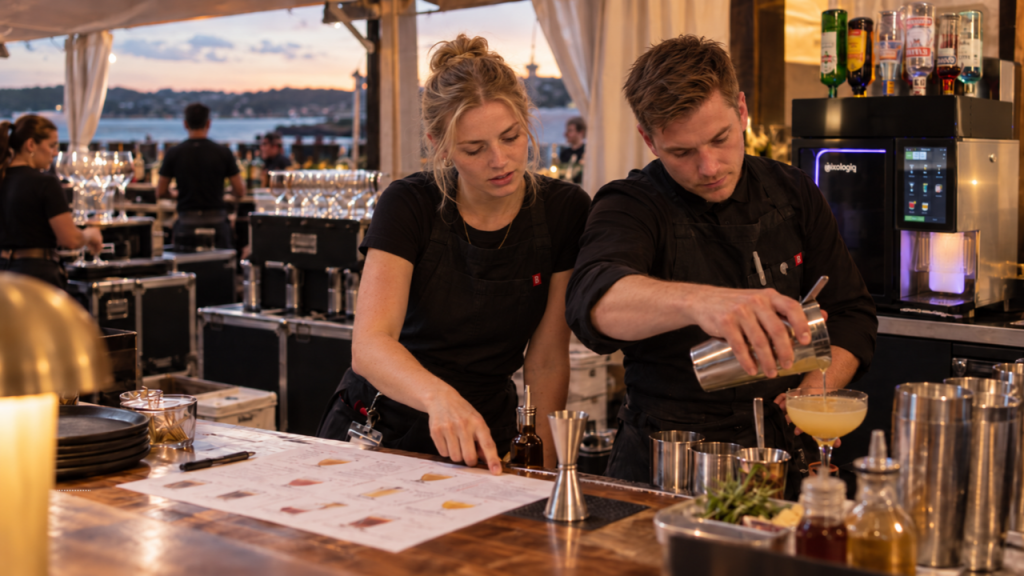
A restaurant or venue created to exist for only a short period is not a new idea. The format has a name: a pop up restaurant. It might run for one night, several weeks or a season, appear inside a hotel, temporarily occupy another space, or emerge as a collaboration between chefs, hospitality groups or brands.
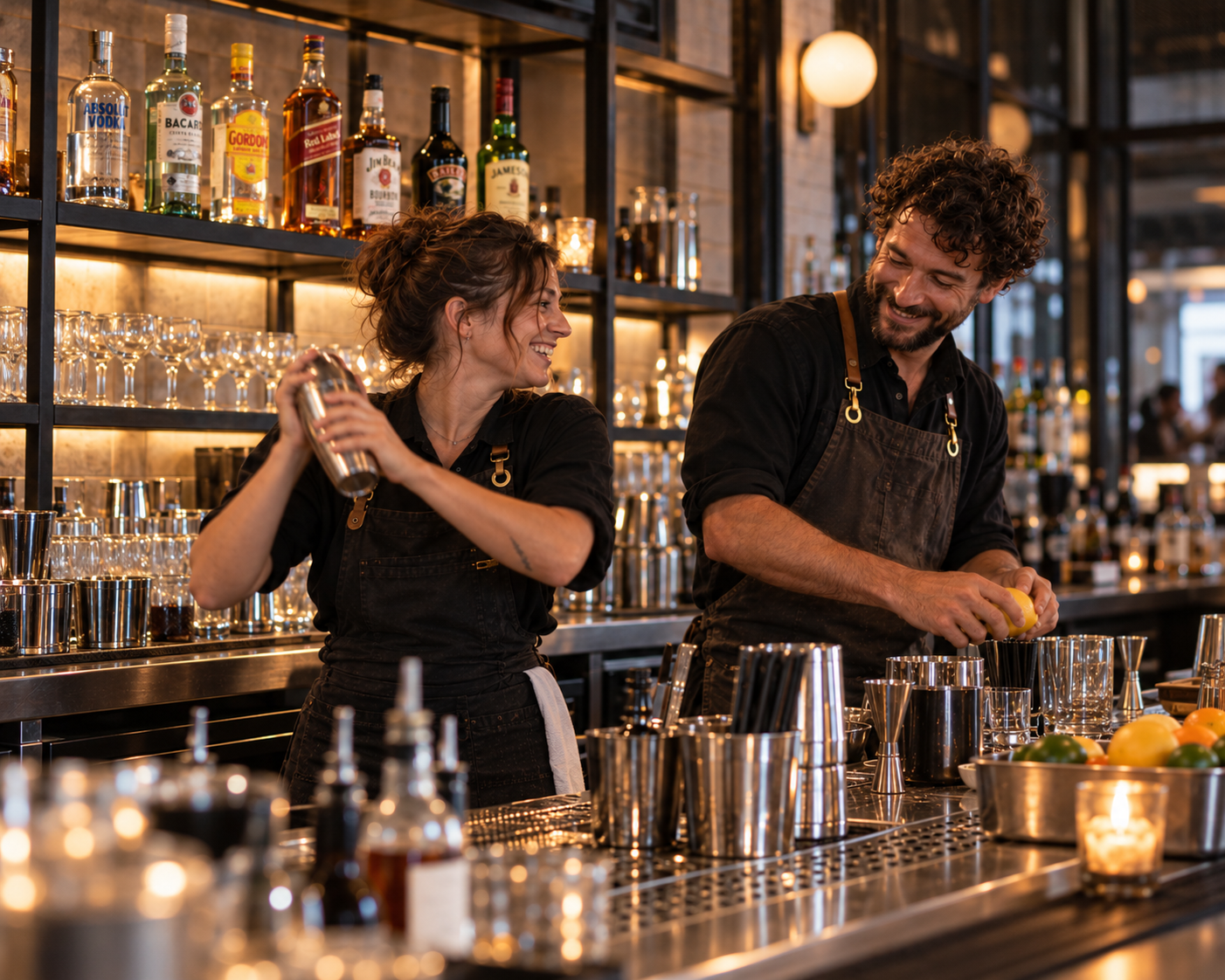
Behind the bar, that temporary format creates a specific challenge: a new cocktail menu has to move from idea to service with very little time to train the team. Recipes, ingredients, presentation and recommendations may all need to be learned just as the operation is getting started.
The shorter the operating window, the more deliberately the team needs to use its available training time.
The training window
Training time shapes what a pop up restaurant can realistically offer
A new menu does not simply mean new drinks. It also means learning ingredients, measures, preparation methods, presentation and the logic behind each cocktail.
The team needs enough knowledge to explain the drinks clearly and make confident recommendations.
In a permanent restaurant, that knowledge can settle in gradually. Recipes are practised, processes are refined and repetition eventually turns them into routine. A restaurant pop up may not have that luxury.
How much operational learning does each addition to the list actually require?
If the concept will operate for only a few weeks, training cannot consume a large share of its useful life.
That question becomes especially important when shaping a pop up restaurant menu.
Where technology helps
Reduce the learning burden tied to repetitive recipe execution
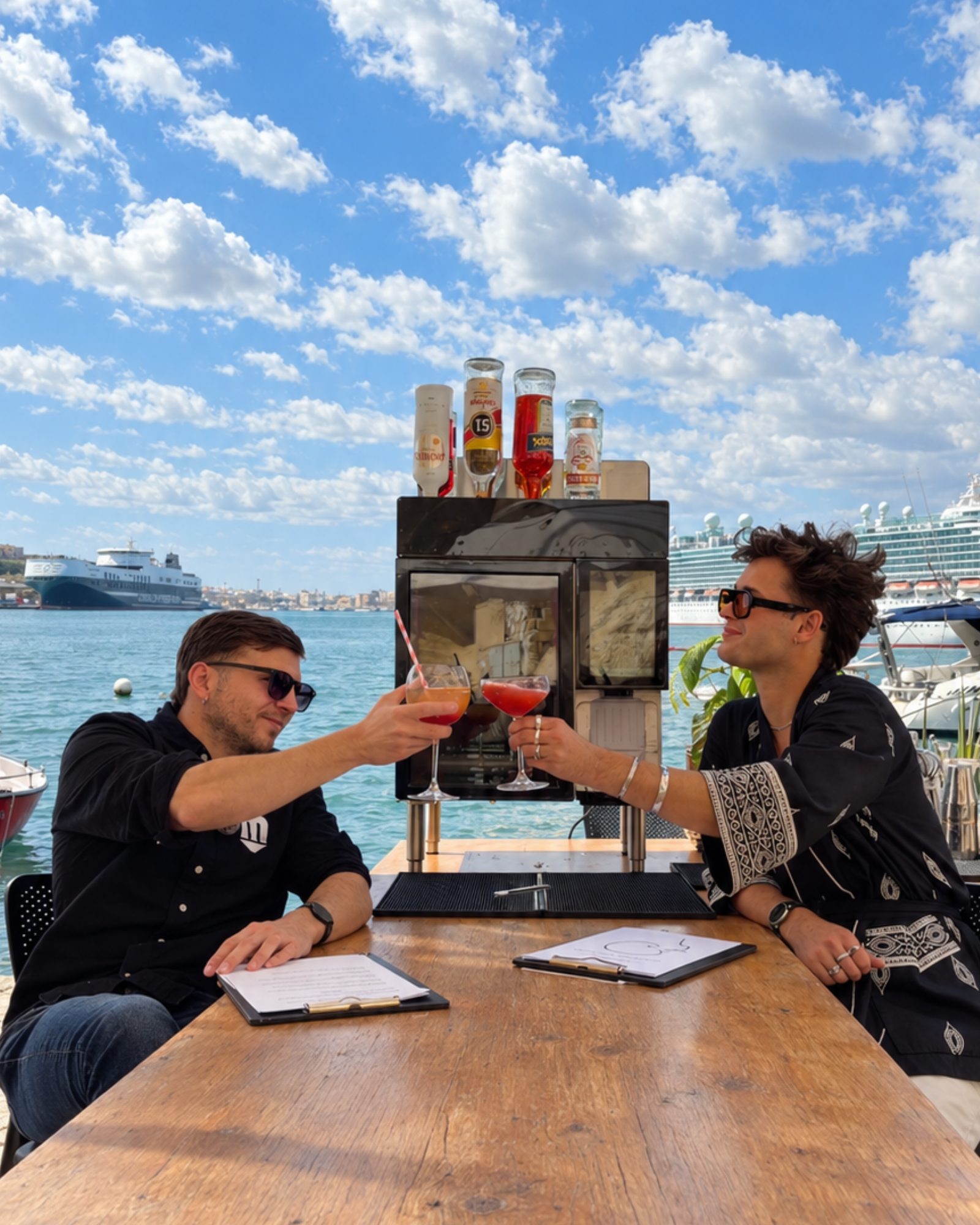
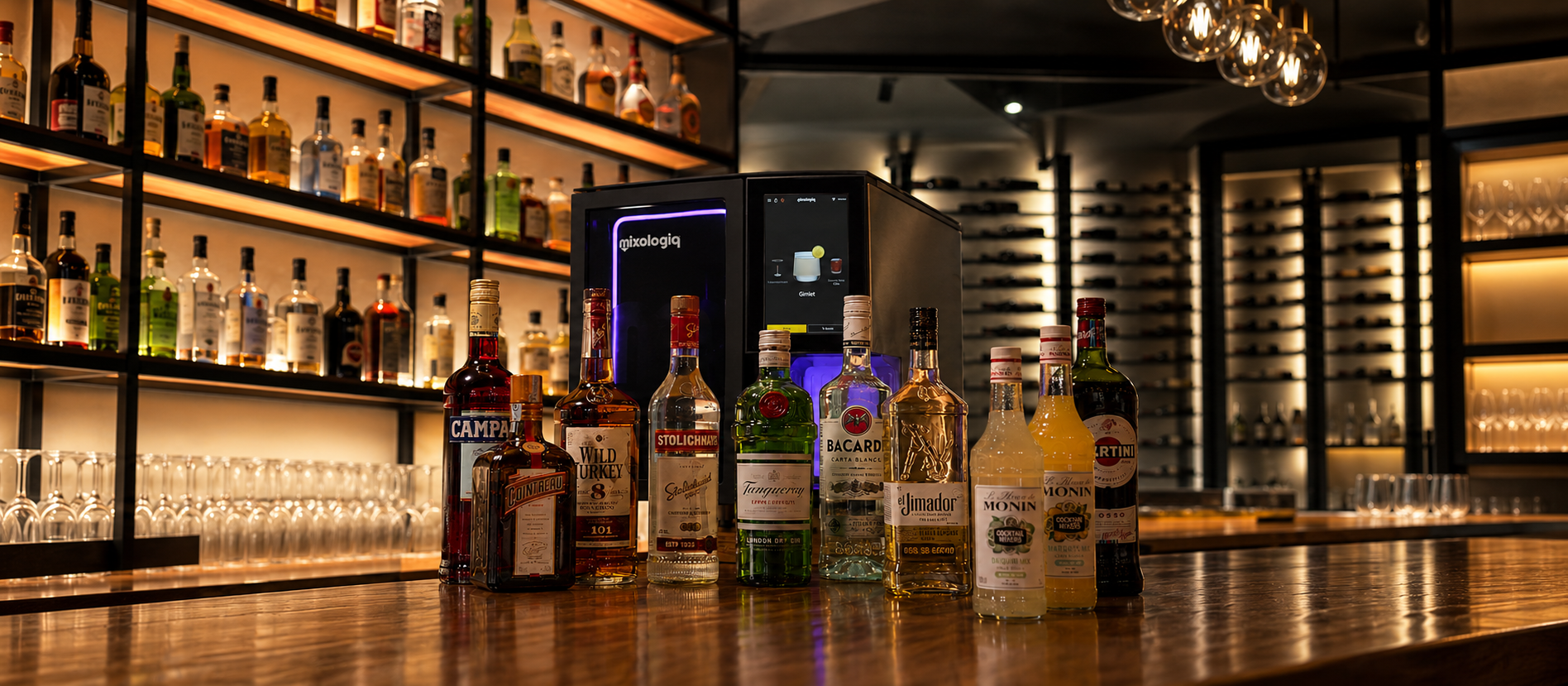
This is where Mixologiq has a clear role in a temporary hospitality concept.
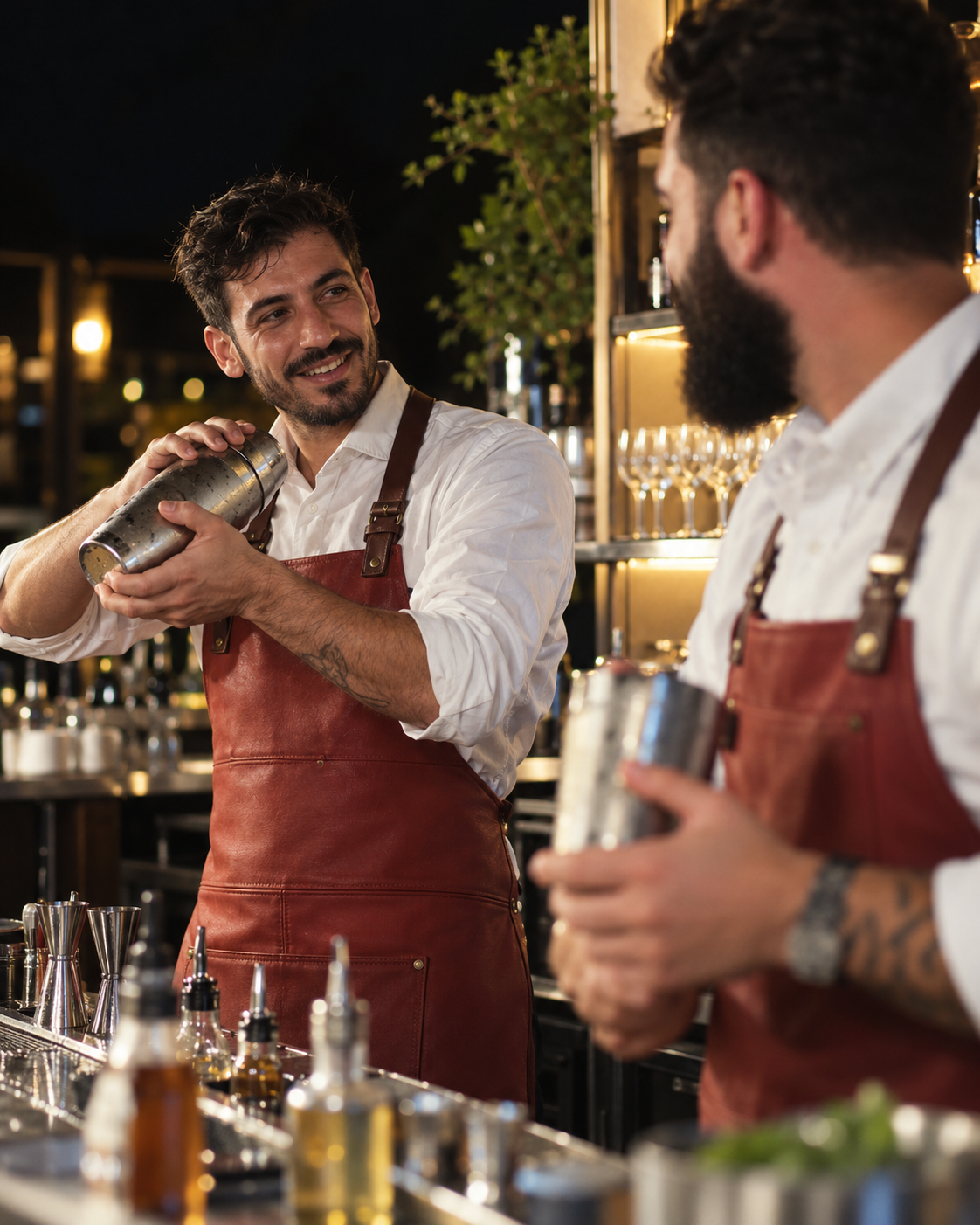
The team still needs to know each drink: its ingredients, profile, presentation and place within the menu. That knowledge matters because bartenders and hospitality staff still explain the offer, make recommendations and lead the guest experience.
What can be simplified is the repetitive execution of the recipe. Mixologiq systems are designed to support more precise, consistent and repeatable cocktail preparation, helping reduce variability in tasks that are repeated throughout service.
The goal is not automation for its own sake. The goal is to help a short-lived concept reach a reliable level of service sooner.
For a pop up restaurant, that changes where training time is spent. The team can focus more on understanding the offer and less on making every person memorise and manually reproduce every measurement and preparation step before the first service.
A structure that can adapt
When the concept changes, the operating structure can stay
One pop-up may be built around summer flavours, another around a chef collaboration, and the next around a completely different event. The cocktail offer can change with each concept.
Keep menu management structured as the drinks offer evolves
Mixo Connect supports recipe and menu control within the Mixologiq system and helps operators review usage and performance.
That gives teams a consistent management structure from which to adapt the drinks offer, rather than relying only on a new set of manual routines every time the concept changes.
From setup to service
Use the limited training window where human knowledge matters most
If you are developing a pop-up concept and want to see how Mixologiq can help put a new cocktail menu into service with less time spent mastering repetitive preparation, book a demo.
See how Mixologiq can support a professional cocktail programme while the team remains focused on the offer and the guest experience.
Book a Demo